What actually helps with IBS? A guide to relief and red light therapy


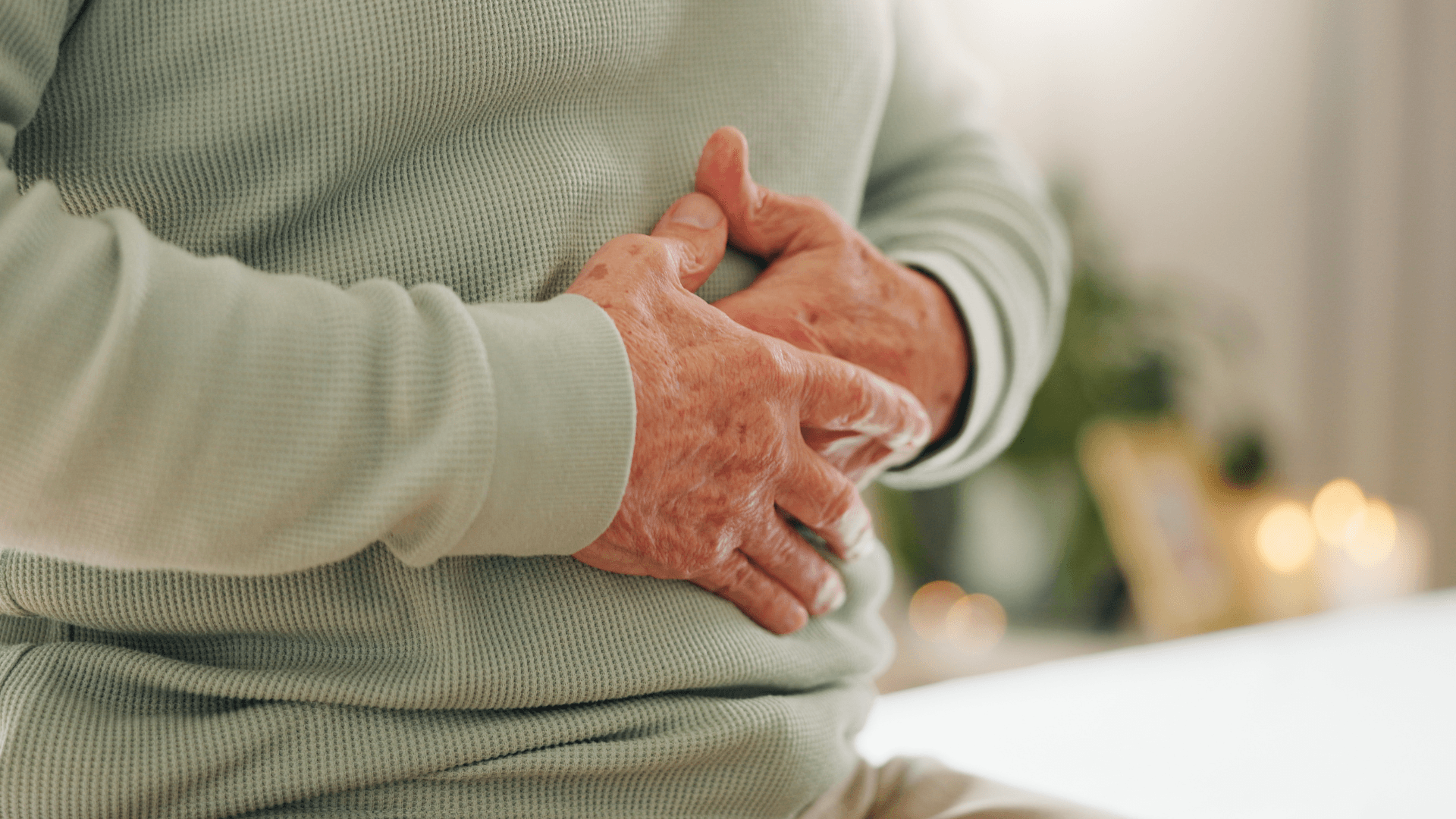
Living with IBS is something a lot of people deal with, and it can make daily life feel both unpredictable and frustrating. Dealing with stomach pain, bloating, and sudden bathroom trips can really take a toll on your energy, your mood, and your overall quality of life.
At the same time, many feel like traditional advice alone just doesn't cut it. That’s why more and more people are looking for natural, holistic ways to manage their symptoms.
In this guide, we’ll take a closer look at what IBS actually is, which symptoms to watch out for, and what actually works. We’ll also introduce you to red light therapy - a modern, drug-free way to help calm your gut.
At Recharge, we’ve worked closely with people struggling with stomach pain and IBS. We’ve seen firsthand how a more holistic approach can help you gain control and take care of those symptoms.
What exactly is IBS?
IBS, or Irritable Bowel Syndrome, is what’s known as a functional gut disorder. Basically, it means your gut isn’t working quite right, even though there isn't a clear disease or physical damage that explains why you're feeling the way you do.
While it isn't dangerous, it can be a massive hassle and really mess with your day-to-day life.
For a lot of people, IBS means having a stomach that’s way more sensitive than usual to things like food, stress, or other triggers. This leads to a digestive system that feels out of balance and can change completely from one day to the next.
Common IBS symptoms: How do you know if you have it?
IBS symptoms can look pretty different from person to person, but here are some of the most common signs to look out for:
- Bloating and that constant stuffed feeling in your stomach
- Stomach pain or cramping
- Changes in your bathroom habits - like diarrhea, constipation, or bouncing between both
- Gas and discomfort after eating
A lot of people find that their symptoms flare up when they're stressed or after eating certain trigger foods.
For some, the symptoms just pop up every now and then, while others have to deal with them pretty much all the time.
Read more about IBS in this research article.
How do you treat IBS? (A holistic approach)
When it comes to treating IBS, there's rarely a quick fix or a one-size-fits-all solution. Instead, it’s all about combining a few different steps that work together to get your gut back in balance.
Diet
Diet plays a huge role for a lot of people with IBS. One of the most popular methods is the low FODMAP diet, which involves cutting back on certain types of carbohydrates that can be tough for your gut to digest.
The goal is basically to figure out which foods trigger your symptoms and then adjust your diet based on that.
Lifestyle
Stress is a well-known trigger for IBS. That’s why things like getting better sleep, finding ways to relax, and staying active with moderate exercise can make a huge difference.
At the end of the day, a calmer life usually leads to a calmer stomach.
New methods
On top of diet and lifestyle, there are also newer approaches out there that can give your body some extra support.
Red light therapy is one of those methods. It’s used to help calm down inflammation and support your body’s natural balance, making it a great add-on for anyone who isn't getting enough relief from traditional steps alone.
Red light therapy and FlexBeam: A new way to a calmer stomach
Red light therapy involves using specific light waves that reach into the body and give your cells a little boost. When it comes to your gut, this can help support the body’s natural processes and take the edge off any discomfort.
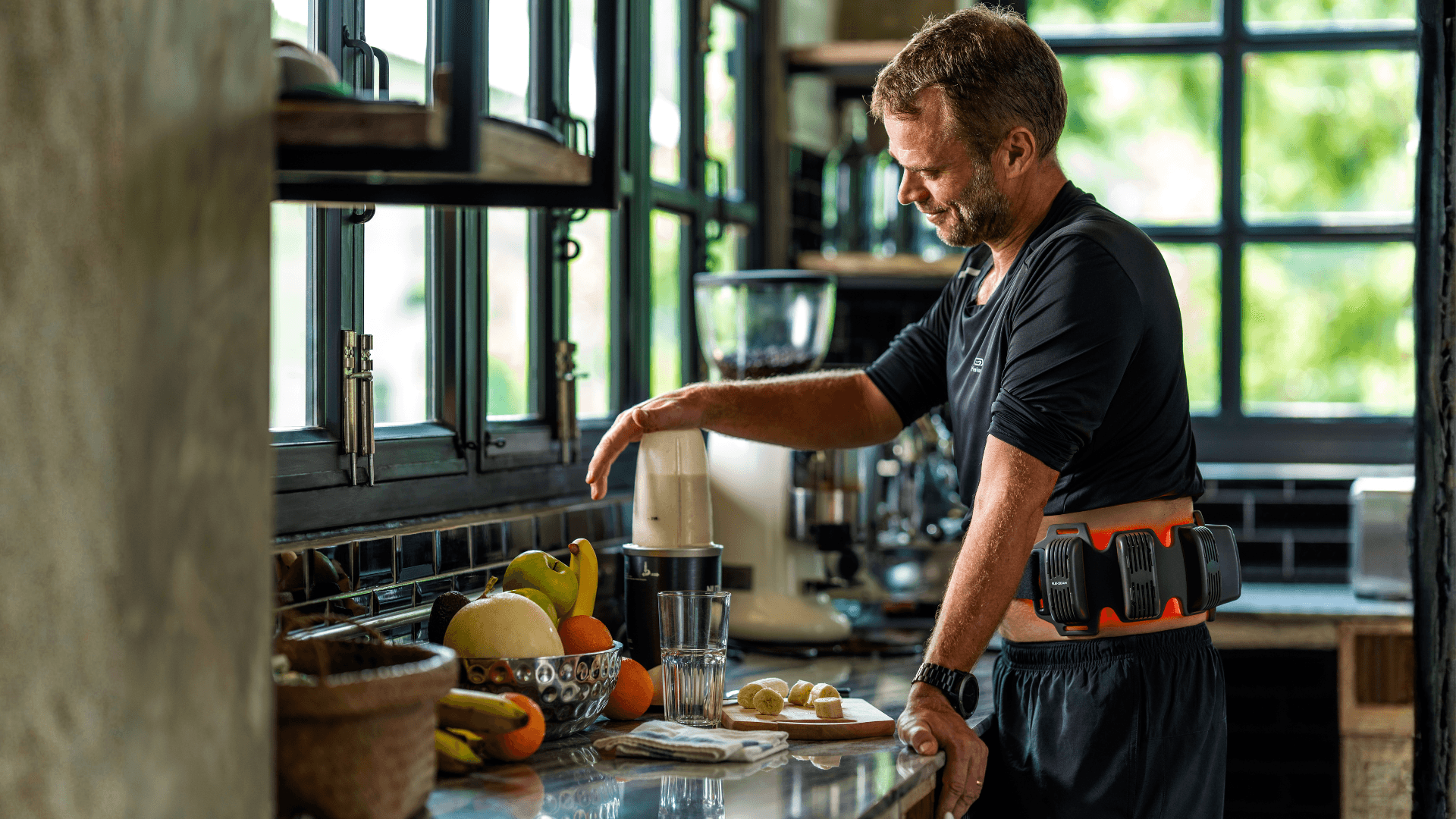
FlexBeam is designed to be used directly on the skin, which makes it super easy to target specific areas like your stomach.
If you want to dive deeper into how red light therapy actually affects your gut health, you can check out our in-depth article right here.
Practical guide: How to use FlexBeam for IBS relief
One of the best things about FlexBeam is how easy it is to fit into your daily routine.
Here’s how you can use it for IBS:
- Place the device directly over your stomach or wherever you're feeling discomfort.
- Use it for 10-20 minutes a day, especially when your symptoms are acting up.
- Since FlexBeam is portable and flexible, you can use it while you’re relaxing, watching TV, cooking, or reading.
A lot of users find that this helps calm their gut over time, especially when they pair it with other things like diet and stress management.
Customer quote: "FlexBeam is my go-to for gut health. The powerful red light really does the trick. I love how easy it is to use!" – Ken B.
Expert tips from Dr. Natalia Sadowski
Red and near infrared light (or FlexBeam) can be applied over the abdomen for 10–20 minutes, once daily, especially in the evening when the body is winding down. The light works at a cellular level to support the gut microbiome and help calm local irritation. Many people notice less cramping and bloating over time, especially when combined with simple habits such as whole food nutritious meals and stress management.
See how you can use FlexBeam on your stomach area.
Can you actually get rid of IBS for good?
A lot of people wonder if it's possible to completely cure IBS. The truth is, IBS is usually a chronic condition - but that doesn't mean you have to suffer from symptoms all the time.
For most people, it's about reaching a point where you’re symptom-free for long stretches and learning exactly what triggers your flare-ups. By building your own toolbox of things that work for you, you can get much better control over your gut. This might include a mix of diet, lifestyle tweaks, and tools like red light therapy.
Conclusion and next steps
Living with IBS can be tough, but there are plenty of ways to keep your symptoms in check. By combining a good diet and stress management with modern solutions like red light therapy, you can find a better balance and enjoy a much calmer daily life.
Take charge of your IBS, try red light therapy at home, and feel the difference for yourself.
Just a heads-up: it’s always a good idea to check in with your doctor if you’re dealing with severe or persistent stomach pain.
Take control of your IBS – try red light therapy at home and feel the difference for yourself!
FAQ
Stress, certain foods like onions, garlic, and dairy, as well as eating at irregular times can all trigger flare-ups. A lot of people also notice their symptoms getting worse when they aren't getting enough sleep.
There isn’t one simple cure, but plenty of people manage to stay symptom-free by combining diet changes, stress management, and a good daily routine. At the end of the day, it's all about finding what works specifically for you.
Red light therapy can help calm things down and support the body’s natural processes right where you use it. For some, this feels like a real relief from that typical discomfort and stomach pain.
Foods that often trigger IBS include things like onions, garlic, artificial sweeteners, greasy food, and certain types of carbs. The most important thing is to test things out and see what affects you personally.