Our guide to period pain: what it is, why it happens, and what can help
13 mins read


Many women experience period pain every single month. For some, it’s mild discomfort that passes within a few hours. For others, the pain can be severe enough to affect work, studies, exercise, and everyday life. If this sounds familiar, you’re far from alone.
The good news is that there are several ways to relieve period pain. Traditional approaches such as heat and painkillers can help many people, but more and more women are also looking for natural alternatives that can be used regularly without concerns about side effects. That’s why we at Recharge Health want to share research-based information about what can actually help, and how red light therapy may be a useful addition for many women.
In this guide, you’ll learn what period pain is, why it happens, how long it typically lasts, and what treatment options are available.
What is period pain (Dysmenorrhea)?
Period pain, also known as dysmenorrhea, refers to pain or cramping that occurs during menstruation. The pain is usually felt in the lower abdomen but can also radiate to the lower back, hips, and thighs.
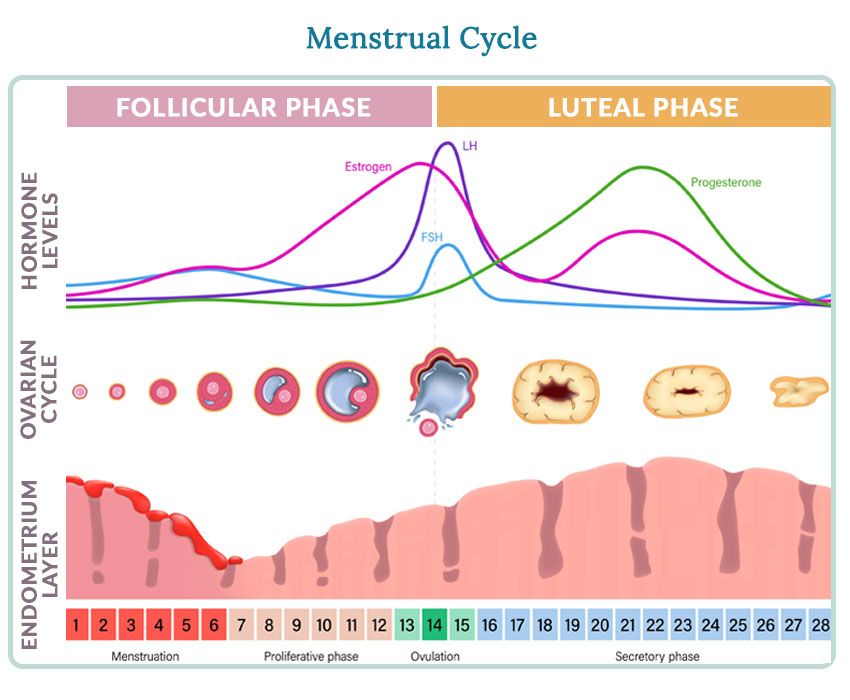
During menstruation, the uterus contracts to help shed its lining. These contractions are regulated by hormone-like substances called prostaglandins. When the body produces higher levels of prostaglandins, the contractions can become stronger, which may lead to more intense pain.
In addition to cramps, many women may experience symptoms such as:
- Dull or aching pain in the lower abdomen
- Lower back pain
- Nausea
- Headaches
- Fatigue
- Diarrhea or loose stools
The intensity of period pain can vary significantly from person to person. Some barely notice it, while others may need to lie down or cancel plans during the first few days of their period.
Dr. Zulia Frost, a doctor and Clinical Director at Recharge Health explains it this way: Period pain is one of the most common health concerns among women of reproductive age, yet it is often dismissed as something you simply have to live with. For millions of women, the pain affects work, sleep, physical activity, and quality of life, month after month.
Why do we get period pain?
The most common cause of period pain is the body’s natural production of prostaglandins. These substances cause the uterus to contract, helping the body shed menstrual blood and the uterine lining.
Strong contractions can also temporarily reduce blood flow to the uterine tissue. This can reduce the oxygen supply to the muscles, causing the characteristic cramps many people experience during their period.
For most people, this is a normal part of the menstrual cycle. However, it’s important to understand that not all period pain has the same underlying cause.
There are two main types of dysmenorrhea:
- Primary dysmenorrhea
- Secondary dysmenorrhea
The distinction between the two is important, as it can help explain both what is causing the pain and which treatment options may be most appropriate.
Primary dysmenorrhea
Primary dysmenorrhea is the most common form of period pain. In this case, the pain is caused by menstruation itself, rather than an underlying medical condition.
This type of period pain often begins soon after menstruation starts during adolescence. The pain typically occurs just before or at the start of a period and usually lasts for one to three days.
For many people, symptoms become less severe with age. Some also experience significant improvement after pregnancy or childbirth.
Although primary dysmenorrhea is common, that doesn’t necessarily mean the pain is mild. Many women experience severe period pain even when there is no underlying medical condition.
Secondary dysmenorrhea
Secondary dysmenorrhea is caused by an underlying condition affecting the pelvis or uterus. The pain often develops later in life and is more common after the age of 25 to 30.
Common causes may include:
- Endometriosis
- Adenomyosis
- Uterine fibroids
- Pelvic inflammatory conditions
With secondary dysmenorrhea, pain may begin several days before your period, last longer than the bleeding itself, or gradually become more severe over time.
If you experience new or increasingly severe period pain, or if the pain significantly affects your quality of life, you should speak with a healthcare professional for further evaluation. Early assessment can help identify and treat any underlying causes.
You can learn more about one of the most common causes of secondary dysmenorrhea in our article on endometriosis.
How long does period pain last?
For most people, period pain begins a few hours before or around the same time as menstrual bleeding starts.
Typically, the pain:
- Lasts between 1 and 3 days
- Is most intense during the first 24 hours
- Gradually eases as prostaglandin levels decrease
Some people experience only mild cramping for a few hours, while others may have pain throughout much of their period.
If the pain continues long after your period has ended, or becomes more severe from month to month, it may be a sign that there is an underlying cause beyond typical period pain. In these cases, you should speak with a healthcare professional for further evaluation.
Period pain before your period
Some women experience pain or a dull ache even before their period begins. This is common and is often linked to the hormonal changes that occur in the days leading up to menstruation.
These symptoms can be part of premenstrual syndrome, also known as PMS. In addition to aching or mild cramps, PMS can cause symptoms such as:
- Bloating
- Breast tenderness
- Mood swings
- Fatigue
- Headaches
- Irritability
Period pain before your period is generally not a cause for concern if it follows a familiar pattern from month to month. If the pain suddenly becomes significantly more severe or feels different than usual, it may be a good idea to have it evaluated by a healthcare professional.
Period pain after your period
For most people, the pain eases once their period is over. If you’re still experiencing pain several days after the bleeding has stopped, this is less typical of normal period pain.
Persistent pain may be caused by conditions such as:
- Endometriosis
- Adenomyosis
- Uterine fibroids
- Other pelvic conditions
This doesn’t necessarily mean that something is seriously wrong, but if the pain continues over several cycles or affects your daily life, you should speak with a healthcare professional for further evaluation.
If you’d like to learn more about natural approaches that may help relieve pain and support women’s health, you can read more about red light therapy for women.
My period pain is getting worse with age. Why is that?
Many people expect period pain to become milder with age. For some, that’s true, but others experience the opposite.
Period pain that gets worse with age may be linked to an underlying condition that develops over time. Endometriosis and adenomyosis are among the most common causes, and both are often diagnosed in the late twenties or later.
Hormonal fluctuations in the years leading up to menopause can also affect the menstrual cycle. During this time, many women experience both heavier periods and more noticeable menstrual cramps.
It’s therefore important to pay attention to what your body is telling you. Guidelines emphasize that period pain should be evaluated for possible underlying causes when symptoms suggest it, and that persistent or changing pain should not be dismissed.
If you notice that your pain feels different, becomes more severe, or lasts longer than it used to, it’s a good idea to speak with a healthcare professional.
What helps with severe period pain?
There is no single solution that works for everyone. Often, a combination of approaches provides the best relief.
If you experience severe period pain, the following methods may help reduce your symptoms:
- Heat therapy
- Gentle physical activity
- A nutrient-rich diet
- Certain vitamins and minerals
- Pain relief when needed
- Red light therapy as a natural complement
The goal is both to relieve acute pain and support the body throughout the entire menstrual cycle.
Method 1: Heat therapy and movement
Heat is one of the most commonly used methods for relieving period pain. Warming the muscles can help them relax while also increasing blood circulation. This is why many people find that placing a hot water bottle or heating pad on the abdomen provides quick relief.
Gentle physical activity may also help. A relaxed walk, yoga, or gentle stretching can help reduce muscle tension and stimulate the body’s natural production of endorphins, which act as natural pain relievers.
You can learn more about how heat and circulation affect the body in our articles on health optimization.
Method 2: Diet and supplements
A balanced diet can help support normal muscle function and reduce inflammation-related processes in the body. While diet alone won’t eliminate period pain, many people find that healthy eating habits can make symptoms easier to manage over time.
Some nutrients that are often highlighted include:
Nutrient
Magnesium
Food sources
Nuts, seeds, spinach, whole grains
Nutrient
Omega 3
Food sources
Fatty fish, flaxseeds, walnuts
Nutrient
Vitamin B6
Food sources
Chicken, bananas, potatoes
Nutrient
Vitamin D
Food sources
Fatty fish, eggs, fortified dairy products
| Nutrient | Food sources |
|---|---|
| Magnesium | Nuts, seeds, spinach, whole grains |
| Omega 3 | Fatty fish, flaxseeds, walnuts |
| Vitamin B6 | Chicken, bananas, potatoes |
| Vitamin D | Fatty fish, eggs, fortified dairy products |
If you’re considering supplements, it’s a good idea to consult a doctor or other healthcare professional, especially if you take medication or have an underlying health condition.
Ibuprofen or acetaminophenfor period pain?
Many people wonder whether ibuprofen or acetaminophen is better for period pain.
For many women, anti-inflammatory medications such as ibuprofen may be more effective than acetaminophen because they reduce the production of prostaglandins - the substances that trigger uterine contractions. However, these medications are not suitable for everyone.
Acetaminophen may be an option for some people, but it works differently and is often considered less effective for severe period pain.
Pain relievers can be helpful when needed, but if you rely on medication every month or find that it doesn’t provide enough relief, it may be worth exploring other treatment options with your doctor.
FlexBeam for period pain
More women are looking for natural approaches that can be used regularly alongside traditional treatments. In recent years, red light therapy has gained increasing attention as a non-invasive approach to pain relief and recovery.
FlexBeam uses medically relevant wavelengths of red and near-infrared light. The light penetrates into the tissue, where it can support cellular energy production and help promote healthy blood circulation. Many people use red light therapy to help reduce muscle tension and support the body’s natural recovery processes.
For period pain, FlexBeam can be placed over the lower abdomen or lower back. The aim is to help relax the muscles and provide gentle, natural pain relief without medication.
Although research on red light therapy and period pain is still developing, a growing number of studies are showing promising results for pain relief, inflammation, and tissue recovery. This makes the technology an interesting complementary option for women looking for a more holistic approach to managing period pain.

Looking for a more comfortable cycle?
If you’re curious about a natural way to relieve period pain, you can learn more about how FlexBeam red light therapy works. FlexBeam can be used at home whenever it suits you, and you can try it risk-free with a 60-day money-back guarantee.
Learn more about FlexBeam and how red light therapy can become part of your own approach to better women’s health.
In short: Recharge Health’s tips for period pain
While period pain is common, that doesn’t mean you have to accept it interfering with your quality of life. Small changes to your daily routine, combined with the right approaches to pain management, can make a meaningful difference.
Here are our top tips:
- Apply heat to the lower abdomen or lower back to help relieve cramps.
- Stay gently active if your body feels up to it.
- Eat a balanced diet rich in magnesium, omega-3s, and other essential nutrients.
- Use pain relievers when needed, following your doctor’s advice or the instructions on the label.
- Explore natural options such as red light therapy if you’re looking for a drug-free complement to your routine.
- Speak with a healthcare professional if your pain becomes more severe over time, lasts for an extended period, or significantly affects your daily life.
Customer experience: Using FlexBeam for period pain
“I’ve been using FlexBeam to help relieve period pain. I struggled with severe period pain for many years, but since I started using FlexBeam, I’ve noticed a clear difference. Since beginning treatment, my periods have been almost completely pain-free, which has been a huge relief.” – Chloe H.
A more natural approach to period pain
Many women don’t just want to relieve pain when it occurs. They want to support their bodies throughout the entire cycle. That’s why more and more women are exploring approaches that can complement a healthy lifestyle, physical activity, and good recovery habits.
At Recharge Health, we believe that knowledge and choice matter. Red light therapy is not a substitute for medical treatment when it’s needed, but it can be a valuable complement for women looking for a natural way to support their bodies.
Want to learn more about red light therapy and women’s health? Visit our page on red light therapy, or learn more about FlexBeam and how it can be used at home.
Ready to try a natural approach to period pain? Learn more about FlexBeam and try it risk-free with our 60-day money-back guarantee.
Summary
- Period pain is most often caused by the natural contractions of the uterus during menstruation.
- Pain can range from mild aching to severe cramps that interfere with daily life.
- Heat, gentle physical activity, a nutrient-rich diet, and appropriate use of pain relievers may help provide relief.
- For women looking for a more natural approach, red light therapy may be a useful complement that supports the body’s natural recovery processes.
- If your pain becomes more severe, lasts longer than it used to, or changes in nature, it should be evaluated by a healthcare professional. Early assessment can help identify any underlying causes and ensure appropriate treatment.
Frequently asked questions about period pain
Acetaminophen can help relieve mild to moderate period pain for some people, but it is often considered less effective than anti-inflammatory medications for severe cramps. If you need pain relief every month or experience severe pain, you should speak with a healthcare professional about which treatment option is best for you.
Mild to moderate period pain is very common. However, if the pain is severe enough to prevent you from going to work, school, or taking part in your usual activities, it should be evaluated by a healthcare professional. In some cases, severe period pain may be caused by conditions such as endometriosis or adenomyosis.
Period cramps are often described as an aching or cramping pain in the lower abdomen. The pain may come in waves and radiate to the lower back, hips, or thighs. Some people may also experience nausea, fatigue, or headaches at the same time.