What is burnout? How to recognize the signs and get your energy back


Do you feel constantly tired and drained, even after resting? You aren't alone. More and more people are experiencing burnout as a consequence of a high-pressure life with little room for recovery.
At Recharge Health, we focus on how the body can recover through better rest, sleep, and nervous system balance. In this article, you’ll get a clear explanation of what burnout is, how to recognize it, and what you can actually do to get your energy back.
What is burnout?
Burnout is a physical and mental state that occurs when long-term pressure exceeds the body’s and brain’s capacity to recover over time.
Research describes burnout as a condition linked to persistent stress, dysregulation of the stress response system, and a reduced ability to recover over the long term.
What are the typical signs of burnout?
Burnout often appears gradually, and many people ignore the warning signs for far too long.
Typical signs include:
- Constant fatigue, regardless of how much you sleep
- Feeling empty or overwhelmed
- Low motivation and less joy in everyday life
- Irritability or emotional instability
- Difficulty focusing or making decisions
Physical
- Constant exhaustion
- Headaches
- Muscle tension and unexplained aches
- Palpitations
Cognitive
- Brain fog
- Poor memory
- Concentration difficulties
These symptoms can be experienced with burnout, but they can also resemble or overlap with depression and other medical conditions. It is therefore important to always consult a doctor to rule out underlying causes or other types of illness.

I'm burnt out, what do I do now? How to recover from burnout
Recovering from burnout isn't about pulling yourself together. It’s about finally giving your body what it actually needs.
1. Hit the pause button
The first step is accepting the situation. For many, this also means getting support from a doctor or psychologist and shielding yourself from demands that exceed your current capacity.
This might involve sick leave or reduced working hours, saying no to social commitments and extra tasks, letting others take over practical chores at home for a while, and clarifying expectations at work or school.
2. Listen to your body’s need for sleep
When you are burnt out, your body is in a state where it needs more rest than usual. Sleep isn't just important, it is absolutely essential for recovery.
It can help to go to bed as soon as you feel tired, without forcing a strict daily rhythm at first. Allow yourself breaks throughout the day, and prioritize stillness over activity when you feel your body needs it. Many also find it helpful to reduce caffeine and keep evenings as calm as possible, free from screens and excessive stimulation.
3. Shield yourself from stimulation
An overloaded nervous system needs fewer impressions to calm down again. This can be as simple as taking breaks from social media, turning off unnecessary phone notifications, limiting screen time in the evening, choosing quiet activities like a short walk or just sitting in silence, and saying no to things that aren't essential right now.
Burnt out at work, what do I do?
Many find that burnout develops gradually in their professional life over time, often without fully noticing it as it happens.
Common experiences include:
- A lack of meaning in work tasks
- Feelings of cynicism or detachment
- Reduced performance ability
It's rarely about one single event - it's more about a long-term strain that eventually becomes too much to bear.
Important steps that can make a major difference
- Talk to your employer early. Many wait too long before speaking up. Early dialogue makes it possible to adjust before the strain becomes too high. This could include anything from reduced responsibilities to temporary accommodations or fewer tasks.
- Reduce the load temporarily. For many, taking a step back for a period is necessary. This doesn't mean you are dropping out - it means giving your body and mind time to recover before gradually increasing the workload again.
- Set clear boundaries. Burnout is often linked to the blurring of lines between work and recovery. This can mean ending the workday at fixed times, avoiding work emails during your time off, and actually giving yourself permission to disconnect completely.
In most cases, ignoring these signals will make the situation worse over time, as the strain continues to exceed your capacity.
Expert tips from Dr. Natalia Sadowski
Burnout isn’t fixed by pushing harder, it’s repaired by creating space for the body to feel safe again. Start with the basics done consistently: light exposure in the morning, nourishing food, gentle movement, and real rest. Energy doesn’t come back all at once, it rebuilds quietly when the nervous system shifts from survival to recovery.

How to regain energy after burnout?
This is the question most people ask, and the answer is: gradually. You don’t rebuild your energy levels overnight.
Start with small steps
- Take short breaks throughout the day
- Lower the expectations you have for yourself
- Engage in activities without any pressure to perform
Rebuild your body
- Gentle walks
- Light movement
- Breathing and relaxation
Support your nervous system
When you are burnt out, the sympathetic nervous system is often overactive. The goal is to activate the parasympathetic system—the body's "rest and digest" and recovery system.
The following tools can be useful:
- Breathing techniques
- Mindfulness
- Heat and light therapy
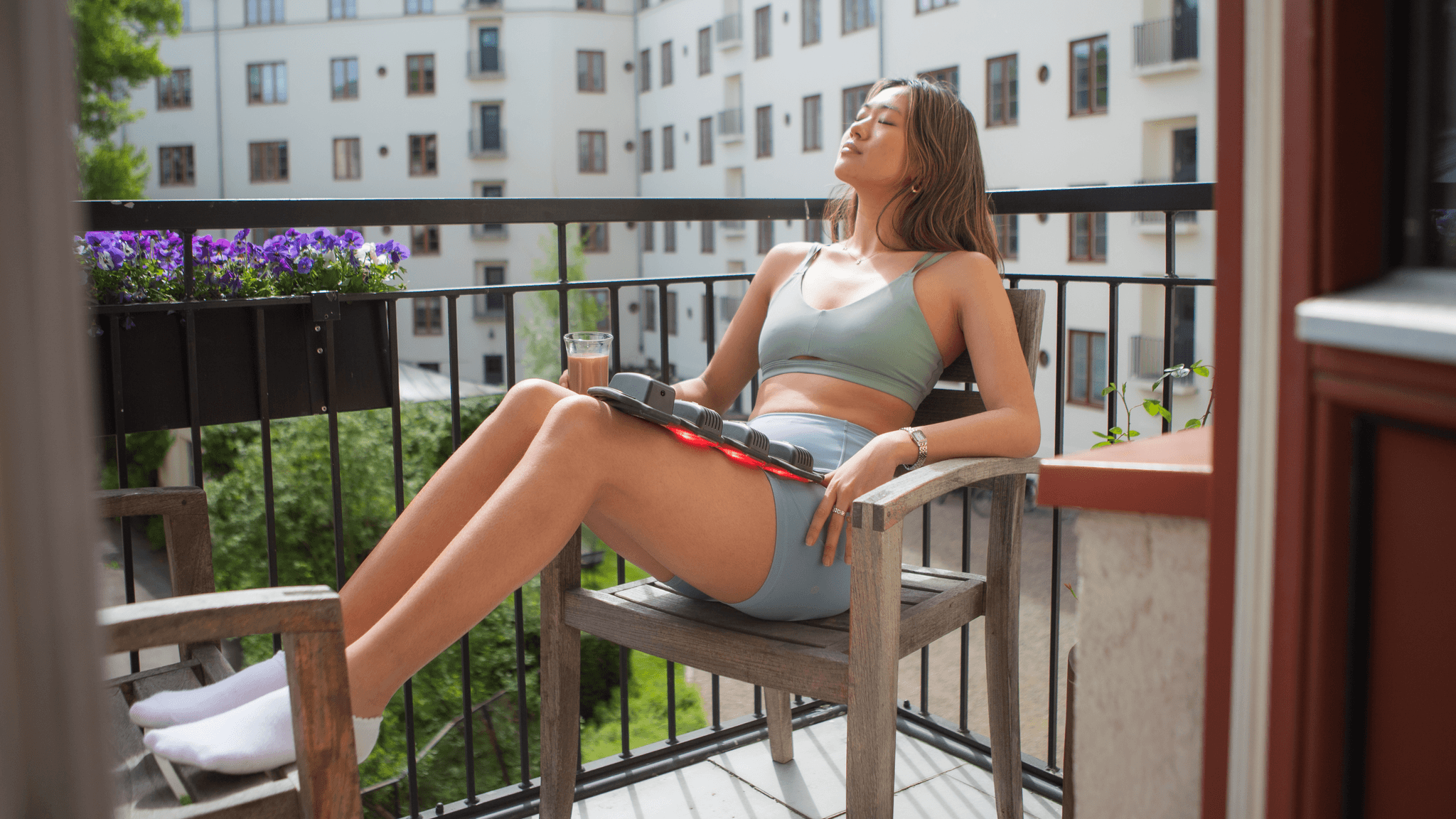
For example, many find that red light therapy can contribute to:
- Deeper relaxation
- Reduced physical tension
- Improved recovery
Read more about how red light therapy can support your body here.
Expert tips from Dr. Zulia Frost
Having experienced burnout myself, I can say that while restoring energy is essential, many people approach recovery the wrong way by forcing the body too hard, too soon. True recovery happens when you allow the body to rebuild at its own pace - prioritizing deep, restorative sleep, proper hydration, nutrient-dense whole foods, and gradually reintroducing movement through breathing exercises, walking, and gentle exercise.
Supportive tools such as near-infrared light therapy can further enhance recovery. I personally use FlexBeam daily as part of my routine to support mitochondrial function and help my body restore energy more efficiently.
Want more energy? Read how red light therapy can help here.
Is it wise to exercise when you are burnt out?
Yes, but with reservations. Hard training can worsen the condition, while gentle activity can help.
Recommended:
- Walks
- Gentle yoga
- Soft movement
Avoid:
- High intensity
- Performance focus
- Overtraining
Listen to your body - it will give you the answer.
In Short
Burnout is your body's way of saying stop. But there is a way back.
With the right balance of:
- Rest
- Gradual activity
- Nervous system regulation
...you can rebuild your energy. The most important thing is to start slowly, but intentionally.
Frequently asked questions about burnout
Yes, in some cases, but it requires the burden to be reduced. Without changes, the condition can persist for a long time or worsen.
It varies from a few months to several years, depending on the severity and the measures taken. Taking action early leads to a faster recovery.