What is endometriosis? A guide to symptoms, treatment, and how red light therapy can help


Endometriosis affects millions of women worldwide, yet it remains widely misunderstood and often takes years to properly diagnose. For many, that means living with unexplained pain for far too long.
In this article, we’ll walk you through what endometriosis actually is, the symptoms you should look out for, and the treatment options available. We’ll also dive into new research and explore how modern approaches, like red light therapy, can help manage pain and improve your everyday quality of life.
As our Clinical Director, Dr. Zulia Frost, puts it: "Endometriosis is a complex, chronic condition where tissue similar to the uterine lining grows outside the uterus, often driven by hormonal imbalances, particularly involving estrogen. In recent years, its prevalence and recognition have increased, highlighting the need for a whole body, multi-system approach to support symptoms and overall wellbeing."
What is endometriosis, really?
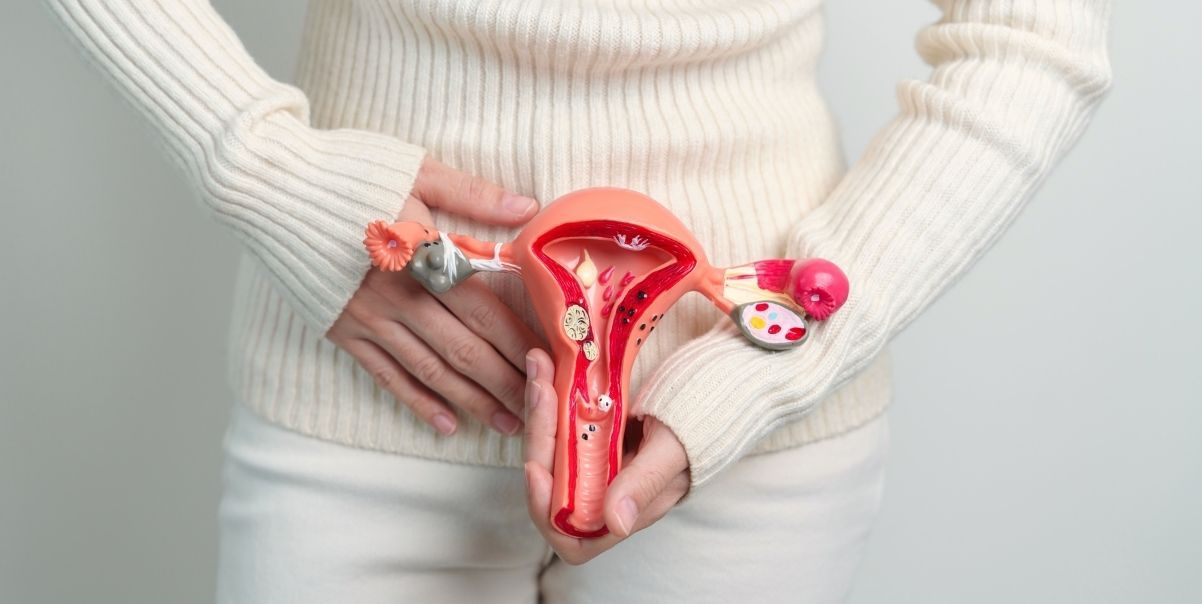
Endometriosis is a chronic condition where tissue similar to the lining of the uterus starts growing elsewhere. This tissue can attach itself to organs in the pelvic area - like the ovaries, fallopian tubes, the bowel, or the bladder.
Every month, this tissue reacts to your hormonal shifts just like the lining of your uterus would. The problem is that this blood and inflammation has no way to leave the body, which is what leads to that intense pain and swelling.
It’s also worth noting the difference between endometriosis and adenomyosis. With adenomyosis, the tissue grows into the muscular wall of the uterus itself, whereas with endometriosis, it’s found outside the uterus. Recent research shows that endo is closely linked to a dysregulated immune response and chronic inflammation, both of which seem to play a major role in how the condition develops and how it feels day-to-day.
How common is endometriosis?
Roughly 1 in 10 women of childbearing age live with endometriosis. That makes it one of the most common, yet most underreported, health conditions affecting women today.
What does endometriosis actually look like?
Endometriosis looks different for everyone. If a doctor were to look inside during keyhole surgery (laparoscopy), they might see:
- Small dark or reddish spots (often called lesions)
- Scar tissue and adhesions (where organs start to stick together)
- Cysts on the ovaries (sometimes known as chocolate cysts)
The three main types of endo:
- Superficial endometriosis: This is found on the surface of the pelvic lining.
- Deep infiltrating endometriosis: This is where the tissue grows deeper into the organs.
Endometriomas: These are specifically cysts found on the ovaries (often called chocolate cysts).
Symptoms: How do you know if you have endometriosis?
The signs of endo can be incredibly clear for some, but frustratingly vague for others - which is exactly why it’s so hard to catch.
Common symptoms
- Severe period cramps (often much worse than "normal" cramps)
- Pain during ovulation
- Pain during or after sex
- Chronic pelvic pain
The "Commonly Missed" Symptoms
- Bloating (frequently called “endo belly”)
- Fatigue (that total, heavy exhaustion)
- Nausea
- Digestive issues (like IBS-like symptoms or gut discomfort)
What are the symptoms?
A major red flag is pain that just doesn't budge with standard over-the-counter painkillers. For many, this isn't just discomfort - it’s pain that spills over into work, social lives, and sleep.
Diagnosis: Can a gynecologist see if you have endometriosis?
Finding out if you have endometriosis can be a real challenge. On average, it takes up to seven years from the time symptoms start until a diagnosis is finally made.
To get a clearer picture, doctors typically use:
- A pelvic exam (gynecological examination)
- Ultrasound
- MRI
The most reliable way to confirm endo is through laparoscopy. This is a type of keyhole surgery that allows doctors to see any abnormal tissue directly.
It’s also really important to know that a "normal" ultrasound doesn’t necessarily mean you’re in the clear. Endometriosis can be notoriously hard to see on a scan, so a clean ultrasound doesn't always rule it out.
The Latest in Endometriosis Research
Research into endo is moving fast.
One exciting development is the push for better diagnostic tools, including projects like ICUE at Oslo University Hospital. At the same time, there’s a growing focus on the link between the microbiome and inflammation. We’re learning that both gut and vaginal flora can play a huge role in how the immune system responds and how we actually experience pain.
This is opening the door for more holistic treatments - approaches that combine traditional medical care with lifestyle changes to treat the whole person, not just the symptoms.
Treatment and the path to a better everyday life
While there’s no quick fix for endometriosis, there are many steps you can take to manage your symptoms and truly improve your quality of life.
Pain Relief and Medical Options
- Over-the-counter pain relief: Using NSAIDs (like ibuprofen) to manage inflammation and pain.
- Hormonal treatments: Such as the contraceptive pill or a hormonal IUD.
Surgery
Surgery may be an option in more severe cases, especially if there is significant scar tissue (adhesions) or cysts involved.
A Holistic Approach
- Eating to lower inflammation: Focusing on an anti-inflammatory diet.
- Managing stress: Finding ways to support your nervous system.
- Prioritizing gut health: Supporting your microbiome for better overall balance.
Using red light therapy to support your endometriosis journey
Red light therapy is a drug-free method that can help lower inflammation and support the body’s natural healing process. Many people find that it offers real relief for chronic pain, including those difficult-to-manage pains in the abdomen and pelvis.
Through our partnership with the Norwegian Endometriosis Association (Endometrioseforeningen), we’re committed to spreading awareness about red light therapy as a key part of a modern approach to women’s health.
Learn more about how red light therapy can support your health and well-being here.
The Bottom Line
Endometriosis is a complex and often painful journey, but it’s important to remember that you are not alone.
The most important thing is that you are taken seriously and receive the right care. One helpful tip is to keep a pain diary - it can be an incredibly useful tool for tracking your symptoms and helping your doctor understand exactly what you’re going through so you can get the help you deserve.
When should you see a doctor?
You don’t have to push through the pain alone. It’s time to reach out to a professional if:
- The pain is interfering with your daily life.
- Your period cramps are consistently severe.
- You simply feel that something isn’t right.
Getting help early can make a huge difference in how quickly you get a diagnosis and start a treatment plan that actually works for you.
FAQ - Frequently asked questions
Endometriosis isn’t life-threatening, but it can take a massive toll on your quality of life. If left untreated, it can also have a real impact on fertility.
While there’s currently no permanent cure, many women find they can live a much more comfortable life with a combination of the right treatment and lifestyle changes.
Yes, many women with endo go on to have healthy pregnancies. While the condition can sometimes make conceiving more difficult, there are plenty of effective options and treatments available to help.
Red light therapy is a drug-free approach that works by calming inflammation and supporting your body’s natural healing process.