How to reduce stress? 10 signs and a guide to a calmer daily life


Do you often feel restless, tired, or just completely overwhelmed without really knowing why? You’re not alone. In a busy world with a fast pace and constant demands, stress has pretty much become a standard part of life for many of us.
But just because stress is common doesn’t mean it’s harmless.
In this guide, we’ll give you a simple, down-to-earth look at what stress actually is, how to spot it, and most importantly how to lower stress levels in your daily life. You’ll also get a practical toolbox of things you can start doing right away.
What actually is stress?
Basically, stress is your body’s natural way of responding to pressure or challenges. When you’re stressed, your body pumps out hormones like cortisol and adrenaline. This is meant to keep you sharp and ready to handle whatever is being thrown at you.
Acute vs. chronic stress
Acute stress is short-term and can actually be a good thing. It helps you perform better when the pressure is on.
Chronic stress, on the other hand, is when your body stays in that on position for a long time. This can really take a toll on both your physical and mental health, and it’s something you should definitely take seriously.
10 signs of stress you should take seriously
Here are some of the most common signs that stress is starting to get the better of you:
- Constant fatigue, even after a good night's sleep
- Trouble concentrating and brain fogIrritability and a shorter fuse
- Sleep issues
- Muscle tension in your neck, shoulders, or jaw
- Digestive problems like bloating or stomach pain
- Changes in appetite
- Frequent headaches or feeling dizzy
- Social withdrawal (wanting to pull away from others)
- Feeling overwhelmed by even the small things
If you recognize yourself in several of these, it could be a sign that your body is under constant pressure.
You can read more about what burnout actually is and how to spot it right here.
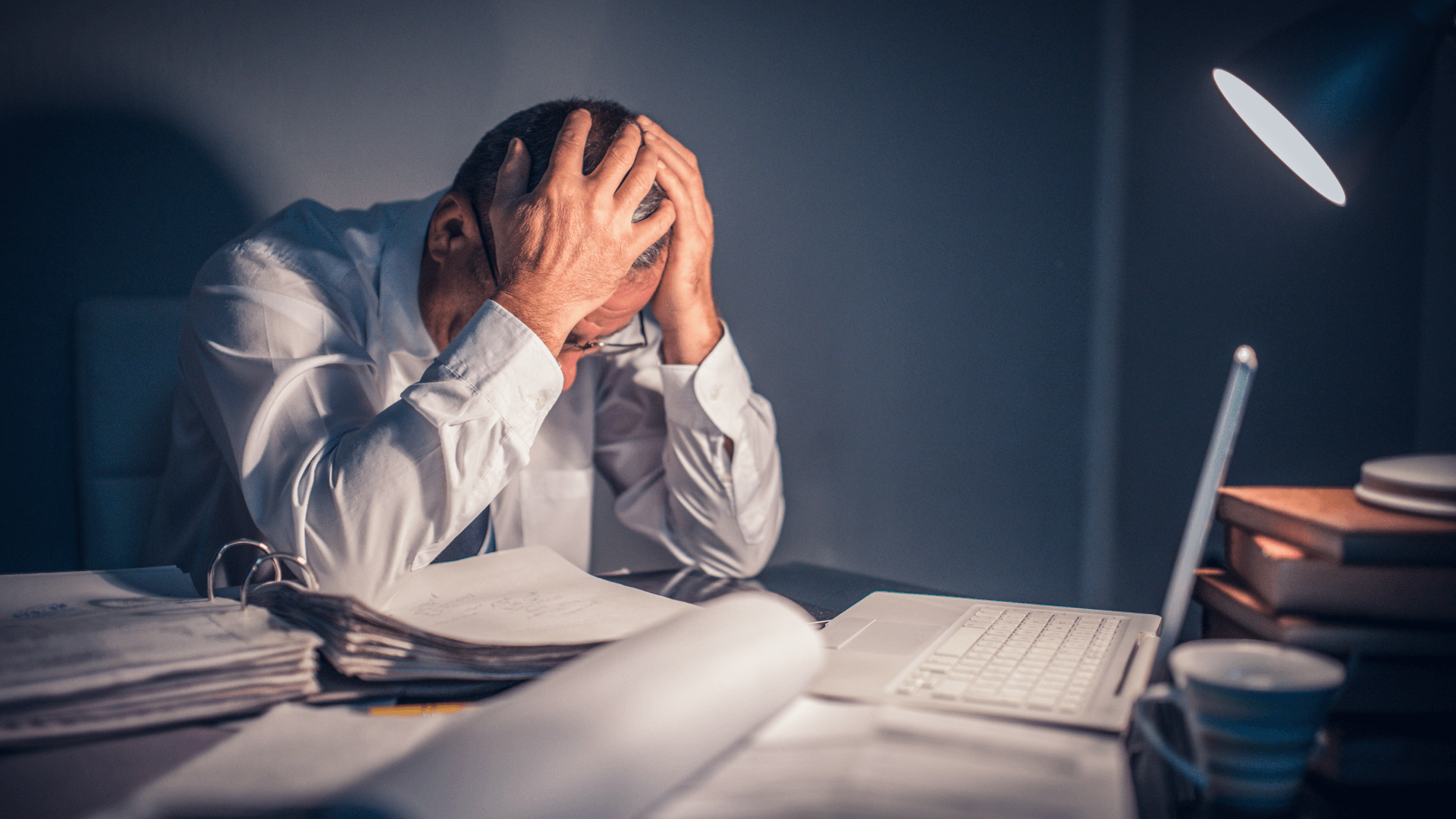
How to handle stress in a busy world
Lowering your stress levels doesn’t necessarily have to be about making huge life changes. Often, small tweaks can make a massive difference.
Micro-breaks
Take short breaks throughout the day. Just 5 minutes away from your screen can help lower your stress levels and give your brain a much-needed breather.
Movement as medicine
Light activity like going for a walk, stretching, or a gentle workout can help drop your cortisol levels and leave you feeling much calmer.
Sleep as your foundation
Good sleep is essential for managing stress. Prioritize a consistent bedtime and a relaxing evening routine. Chronic stress and poor sleep are closely linked, so this is one of the most important areas to focus on.
Struggling to sleep? Learn more about how to improve your sleep here.
How to reduce stress with red light therapy
For many people, traditional advice just isn't enough on its own. That’s when it can be helpful to supplement with methods that directly influence your body’s stress response.
Red light therapy is one of those methods.
What does red light therapy actually do?
- Can help reduce inflammation throughout the body
- Supports your body’s natural recovery
- Can nudge your nervous system toward a calmer state
This makes it a really interesting supplement if you feel like your body is under constant, lingering stress.
Want to dive deeper into how it works? Check out our blog on 17 proven benefits of near-infrared light.
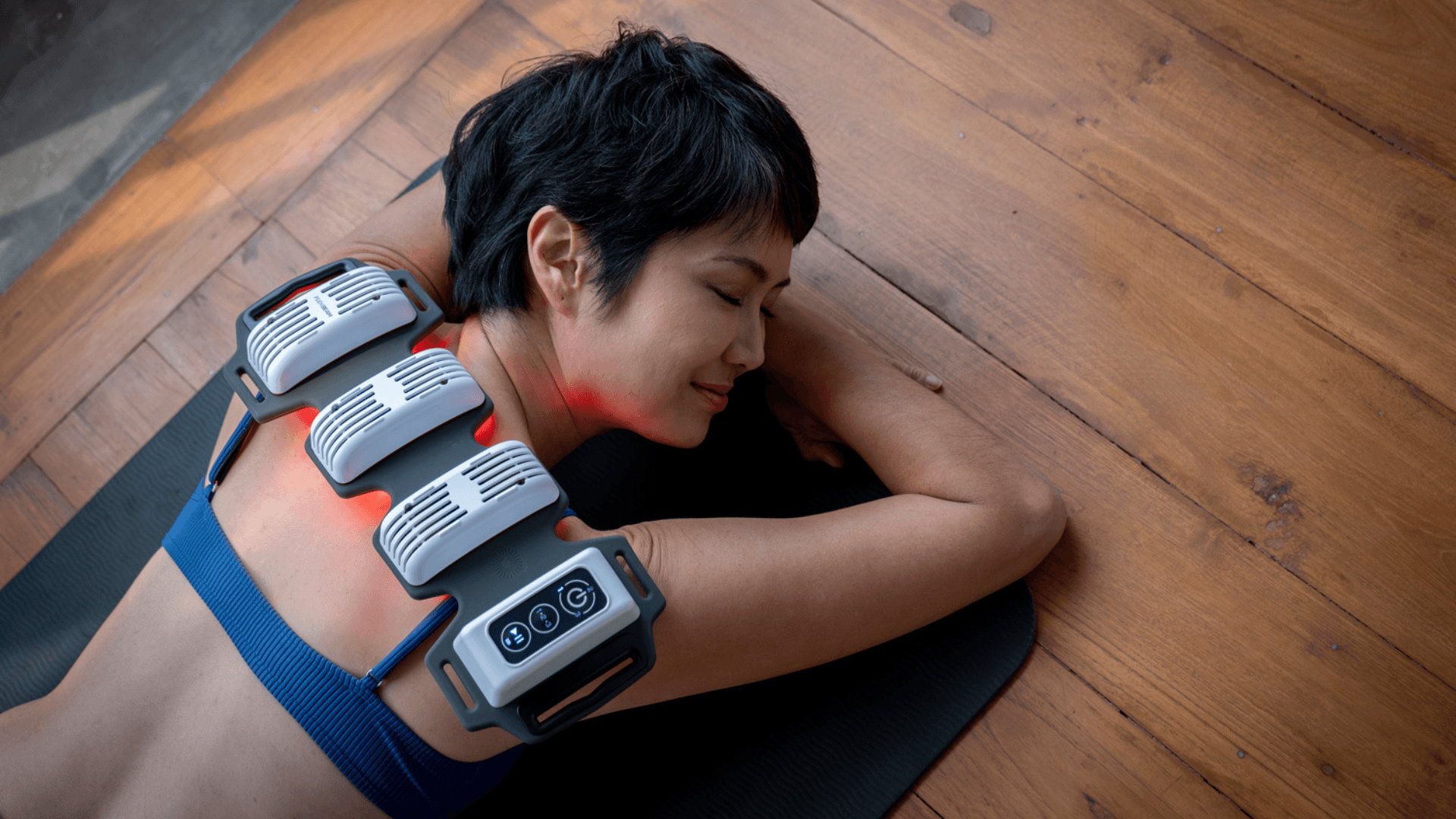
How FlexBeam works on your body
FlexBeam is designed for targeted use directly on your body, which is what sets it apart from more static solutions.
Targeted placement
Many people use FlexBeam on their chest or upper stomach. These areas are closely linked to your autonomic nervous system - including the vagus nerve -which plays a huge role in helping your body calm down.
What’s happening inside?
When the light is absorbed into your tissue, it impacts how your cells produce energy. This helps boost function and recovery at a cellular level, all without the device feeling complicated or overly technical to use.
Real stories: From stressed out to balanced
"Using FlexBeam has made it so much easier for me to find my calm and truly relax. Whether I’m feeling the pressure from work or just struggling to wind down after a busy day, this device helps me feel more relaxed and comfortable." – Jan D.
One customer described how he used to feel constantly on. After making FlexBeam a part of his daily routine, he noticed a much clearer sense of calm and well-being in his everyday life.
This isn’t a quick fix, but it’s a perfect example of how simple routines can lead to a more balanced life over time.
When should you see a professional?
While many people can manage stress on their own, there are times when it’s important to reach out for help.
You should consider seeing a healthcare professional if:
- Stress is affecting your ability to function day-to-day over time
- You’re dealing with ongoing sleep issues that won't go away
- You have strong physical symptoms that just don't let up
- You feel constantly overwhelmed or completely exhausted
It’s always better to address the problem early.
Conclusion: Take the first step toward a calmer life
Stress is a natural part of life, but it shouldn’t be running the show.
By learning to listen to your body’s signals and taking small, practical steps, you can gradually lower your stress levels and get your energy back. The most important thing is just to start.
Take control of your stress - find your calm using red light therapy from FlexBeam at home and feel what it’s like when your body finally manages to relax!
Frequently asked questions about stress (FAQ)
Start with small steps like getting better sleep, taking breaks throughout the day, and adding in some light physical activity. Being consistent is way more important than finding a "perfect" solution.
You can bring down stress hormones like cortisol through better sleep, physical activity, breathing techniques, and relaxation. The real key is sticking to a regular routine.
Yes, stress can definitely mess with your digestion and lead to things like stomach aches, bloating, and general discomfort.