Dealing with shoulder pain? We’ll break down what’s going on and give you some tips to help ease the pain.


Shoulder pain is super common and is usually the main culprit behind upper body aches. Whether pain has built up over time or flared up suddenly after some heavy lifting, it can really get in the way of your sleep and your workday.
We’ve put together this guide to explain things simply: what’s actually going on with your shoulder, why pain started, and how you can find some relief and get back to normal.

What does "shoulder inflammation" actually mean?
Essentially, the tissues in and around your shoulder joint have become irritated. This typically affects the tendons, muscles, or bursae.
While "inflammation" is the term most people use, it’s usually caused by strain or tissue irritation. Your body responds by turning up the sensitivity, making it harder (and more painful) to move like you normally do.
Common diagnoses include:
- Shoulder tendonitis
- Bursitis
- Shoulder impingement
5 common reasons for shoulder pain
Most of the time, shoulder inflammation doesn't just happen because of a single incident - it’s usually something that builds up over time.
Common causes include:
- Repetitive strain over time.
- Doing the same motion constantly at work or the gym.
- Bad posture, especially from sitting too much.
- Lack of movement for long stretches.
- Age-related changes in your joints and tissues.
It’s very common for the pain to develop slowly without a clear starting point.
Sound familiar? Typical signs of shoulder inflammation
Everyone's experience is a bit different, but these are the big ones:
- Pain when you reach up or lift your arm.
- A dull ache in your shoulder even when you’re just resting.
- Shoulder pain at night that makes it hard to get comfortable.
- Stiffness or feeling like you can’t move your arm as far as usual.
- Pain that travels or radiates down into your arm.
For a lot of people, it’s really the night pain and not being able to move like normal that hits the hardest and wears you down.
How long does it take to get better?
There’s no one-size-fits-all timeline. You might see improvement within a couple of weeks, or it could be a project that takes a few months. Usually, it comes down to how long the issue has been brewing and how much you’re able to adjust your daily strain.
One key thing to remember: good blood flow plays a huge role in healing. It helps your body’s natural repair system do its job, which can speed things up.

How to deal with shoulder inflammation
There are plenty of things you can do to start feeling better.
Adjust your activity
Try to avoid the specific moves that hurt, but keep your body moving. It's actually pretty rare to recommend total rest for very long.
Keep things moving
Light exercises can help you keep your range of motion and get some blood flowing to the area.
Check your posture
Little tweaks to how you sit and your work habits can take a lot of the pressure off your shoulder.
Make recovery a priority
Things like sleep, stress levels, and your overall health play a huge part in how well your body can fix itself.
Red Light Therapy
Red light therapy is a method that uses specific wavelengths of red and near-infrared light to reach the cells in your body.
To put it simply, it can help by:
- Giving your cells an energy boost.
- Improving your blood flow.
- Supporting your body’s natural repair process.
A lot of people use red light therapy as a little something extra for muscle and joint pain. From what we see in our user data, a huge number of people use it specifically to help dial down pain and speed up recovery.
Just remember, it’s best to see this as one piece of the puzzle - it works best alongside other healthy habits, not as a magic fix on its own.
Dr. Zulia Frost explains: what's shoulder inflammation and how to treat it?
Shoulder inflammation often develops from repetitive strain, poor movement patterns, or overload of the surrounding muscles and tendons. This can lead to pain, restricted mobility, and reduced function in daily or athletic activities. Supporting tissue recovery, reducing inflammatory load, and restoring proper movement are key to improving comfort and function. In addition, red and near-infrared light therapy may help modulate inflammation, support local circulation, and enhance cellular energy production, creating a more favorable environment for recovery. A structured approach that combines targeted support with gradual reloading can help the shoulder regain stability and resilience.
How do I get rid of shoulder inflammation for good?
To get rid of shoulder pain and make sure it doesn't come back, the secret is a mix of the right treatment, some smart preventative habits, and plenty of rest.
Take a load off
Dial back the strain on your shoulder for a while to give the tissue some time to calm down. Try to stay away from any movements that make the pain worse.
Cool it down
Using an ice pack or cooling it down can really help take the edge off the pain and irritation, especially when it’s first flaring up.
Rehab and exercises
Easing back into movement with the right exercises is the secret to making your shoulder stronger and making sure the pain doesn't come back.
Red Light Therapy
Red light therapy is a great extra for boosting circulation and helping your shoulder recover. It’s a really handy addition to the other habits we’ve talked about.
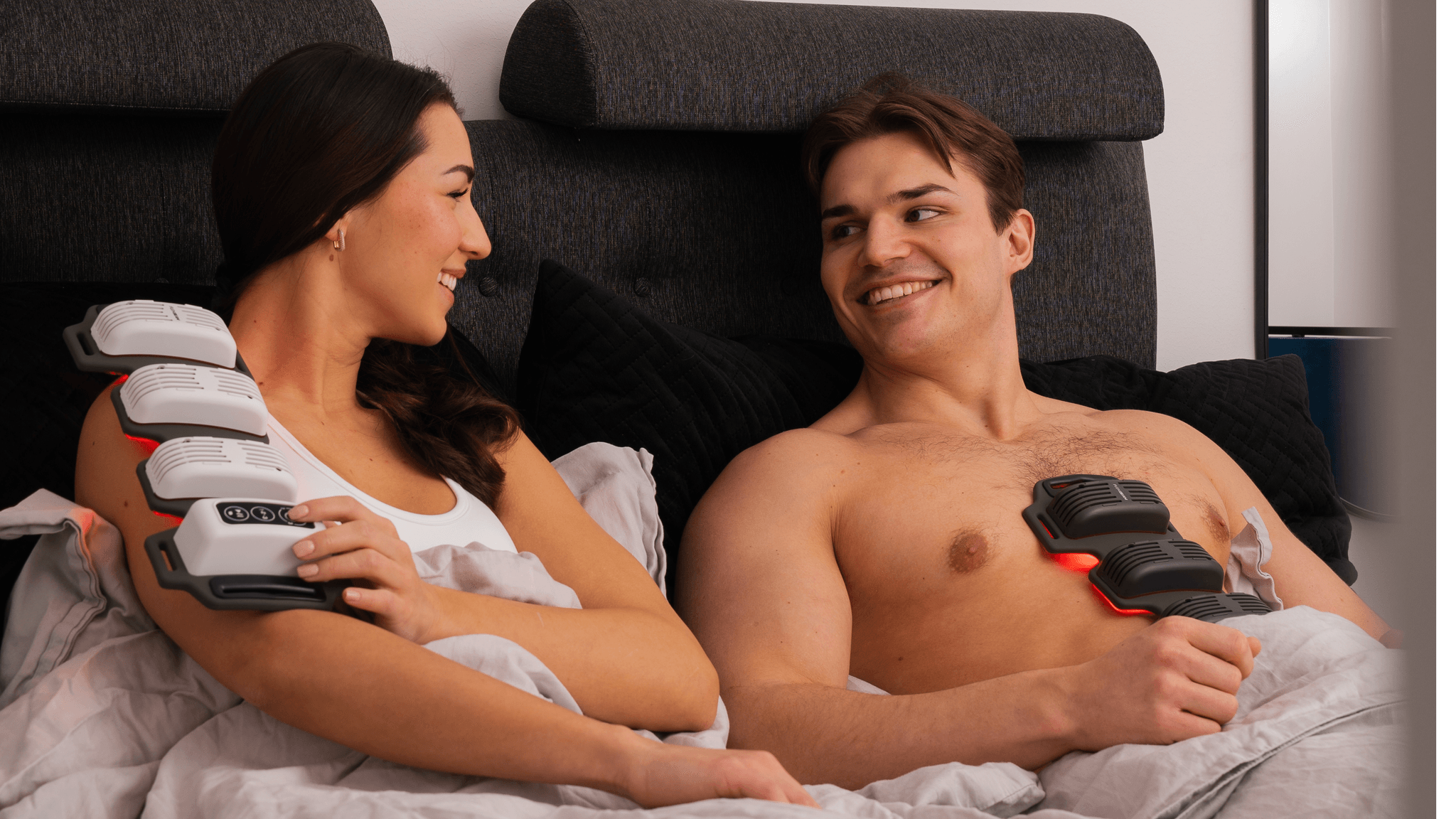
See what a difference it can make for yourself! With our portable device, you can easily fit in a session at home, at the office, or while you're on the move. Want to give FlexBeam a try? Check it out here!
When should you seek out expert help?
It’s a good idea to get some professional help if:
- The pain sticks around for more than a few weeks.
- You’re really struggling to move your arm like you used to.
- The pain started right after an injury or a specific accident.
- You’re just not sure what’s actually causing the problem.
Things like red light therapy can be a huge help for easing shoulder pain, stiffness, and discomfort while giving your body’s natural recovery a boost. That said, it’s important to remember that this isn't a replacement for medical treatment and it might not fix the root cause all on its own.
If your pain is severe or just won't go away, you should always check in with a professional to see what’s going on.
The bottom line
Shoulder inflammation usually comes from overdoing it over time, and it can really mess with your daily life through pain and stiffness. Everyone’s recovery timeline is different, but the secret is finding the right balance of movement, rest, and activity.
Things like specific exercises, better posture, and enough sleep are key - and red light therapy can be a great extra boost for your circulation and pain relief. Just remember: if the pain is serious or won’t go away, definitely check in with a professional to get the right help.
Try red light therapy at home and see how it feels to finally get some relief for your shoulder.
Frequently asked questions about shoulder pain
You should definitely check in with a doctor if the pain sticks around for more than a few weeks without getting any better, if you’re really struggling to move your arm, or if the pain started right after an injury. The same goes if you're just not sure what’s causing the problem in the first place.
Treating bursitis usually means dialing back the heavy lifting, keeping up with gentle movement, and slowly rebuilding your shoulder strength. Getting enough rest and using supportive treatments can also make a big difference. Want to learn more? Check out how red light therapy helps with pain and inflammation.
Yes, in many cases, bursitis can clear up on its own if you’re smart about how much you're using it and how you adjust your activity. That said, it can take some time, and taking the right steps can definitely help speed up the healing process.
The most important thing is to manage your activity levels, keep your shoulder moving, and make recovery a priority. Adding in exercises and tools that boost blood flow can also be a really helpful extra step.
Yes, most people find that the pain gradually clears up by itself, especially if they’re staying active while giving the shoulder a break from heavy lifting. That said, it can take anywhere from a few weeks to several months, so taking proactive steps can really help speed things along.