How can you boost your energy? We’ll break down why you're tired and give you some tips to help you feel more alert and get your spark back.


Lots of people are looking for ways to get more energy because they feel worn out, empty, or just flat, even when everything seems fine. Having low energy has become one of the most common health hurdles in our modern daily lives.
In this guide, you’ll get:
- An explanation of why your energy might be low
- What your body actually needs to run at its best
- Concrete advice for more energy in your daily routine
- Tips for finding some oomph after work
- How to get your energy back after burnout
- What to do when you need a quick boost
The goal is to give you the full picture, not just quick fixes.
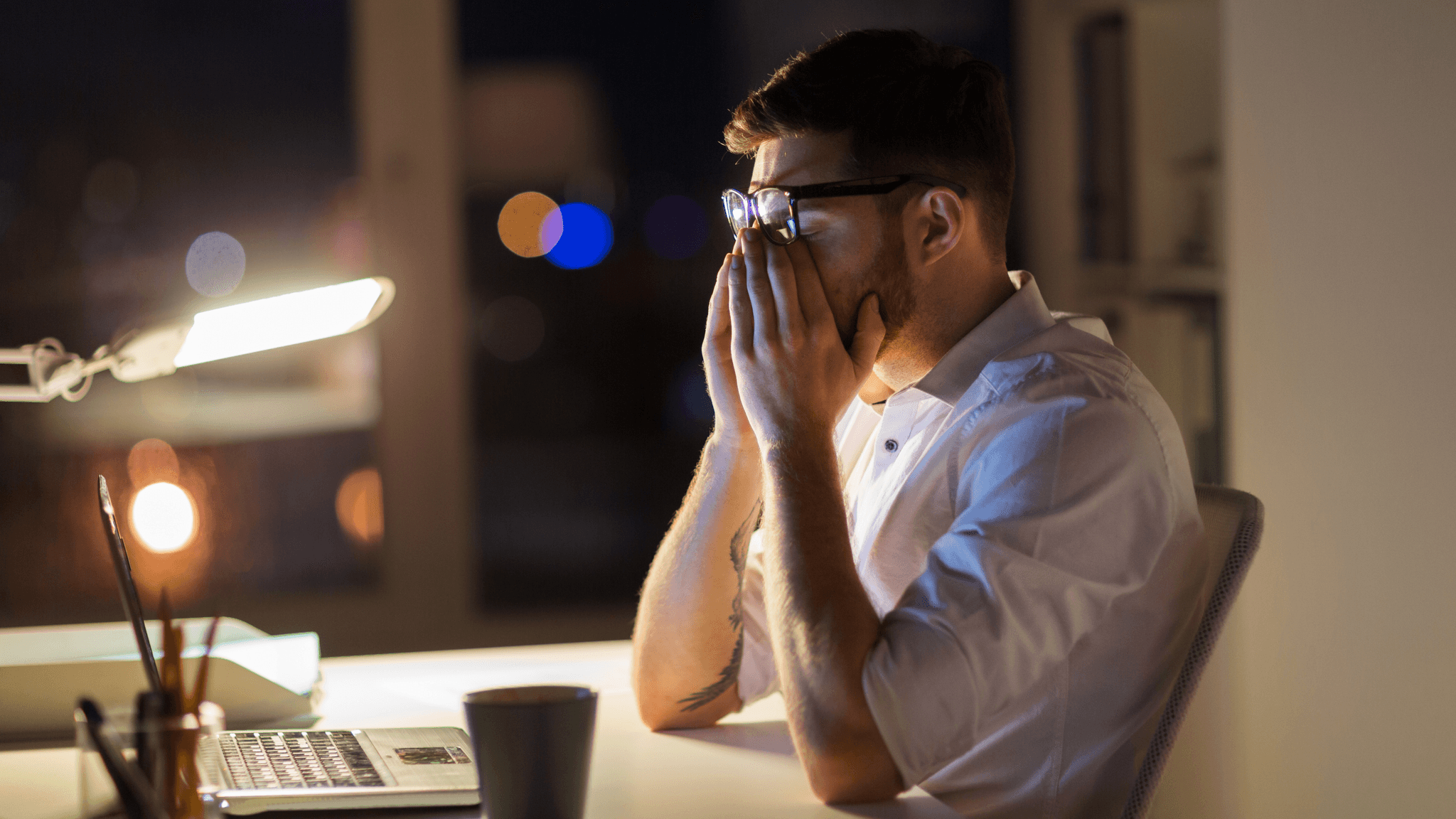
Why am I so low on energy? Causes of tiredness and lack of spark.
The question 'Why am I so low on energy?' is more complex than many people think. Your energy levels are affected by a mix of biological, mental, and lifestyle factors.
The most common causes are:
Not getting enough sleep
Sleep is your body’s most important time to recharge. Not getting enough sleep, or even just having poor quality sleep, messes with your energy production at a cellular level. Even a small sleep debt built up over time can leave you feeling constantly tired.
Stress and mental load
Chronic stress just drains your battery. When your stress hormones stay high for too long, your body starts prioritizing survival over recovery. The result? You feel totally empty, even if you haven't done anything physically demanding.
Not enough activity
Even though it feels like the last thing you want to do, not moving enough can actually make you feel more tired. When your body is active, it pumps up your blood circulation and gets more oxygen to your cells. This jumpstarts your energy production and helps you feel more with it. Even a short walk, a light workout, or just moving around for a few minutes during the day can give your energy levels a noticeable lift.
Nutritional gaps
When you’re feeling wiped out, it might be because your body is missing some essentials:
- Iron
- Vitamin D (especially during winter!)
- Vitamin B
- Protein
- Enough fluids
Your body doesn’t just create energy out of thin air - it needs the right building blocks to keep you going.
If you're in the northern hemisphere...
In the northern hemisphere (such as in Recharge Health's home country of Norway!), there's way less sunlight for a big chunk of the year. Shorter days and less daylight can really mess with your body’s internal clock, hormone balance, and energy levels. Sunlight is a big deal because it helps produce Vitamin D and regulates melatonin and serotonin - the hormones that control your sleep, mood, and energy. When your body doesn't get enough natural light over time, it’s common to feel sluggish, tired, and just generally low on energy in your day-to-day life.
Read more about how light can help with seasonal blues here.
How to get more energy and get your spark back
Are you struggling with being tired and feeling low on energy? The answer almost always starts with the basics. Here are the most effective ways to get your energy back:
Maintaining a balanced diet
Stable blood sugar means stable energy. Try to focus on:
- Protein with every meal
- Veggies and fiber
- Healthy fats
- Plenty of water
Avoid loading up on "quick carbs" that give you a huge energy spike followed by a total crash.
Stick to a sleep routine
Try to go to bed and wake up at the same time every day. Your body loves a good rhythm. For most people, 7–9 hours of sleep is the sweet spot for keeping your energy levels where they should be.
Read more about the science behind sleep and energy here.
Short breaks during the day
Just 5–10 minutes of movement or a breath of fresh air can do more for your energy than that extra cup of coffee.
Managing stress
Breathing exercises, quick breathers, and stepping away from your screens can go a long way in cutting down on mental burnout.
How to get a quick energy boost when you need it
Sometimes you just need a fast pick-me-up. When that happens, these might do the trick:
- A 2–5 minute brisk walk
- Splashing cold water on your face (or a quick cold shower)
- A big glass of water
- A small, high-protein snack
These little tricks wake up your nervous system and get your blood pumping fast.
Dr. Zulia Frost answers: what causes low energy, and how to boost it
Low energy levels are often linked to poor sleep quality, high stress load, and suboptimal nutrition, but at a deeper level, they reflect reduced mitochondrial function and overall metabolic imbalance. When cells do not produce energy efficiently, this can present as fatigue, reduced focus, and slower recovery. Supporting cellular energy production is key, while improving circulation and regulating daily rhythms may further help restore vitality. Consistent lifestyle adjustments, combined with supportive technologies such as red and near-infrared light therapy, may enhance mitochondrial function, support circulation, and help regulate melatonin, contributing to improved energy and recovery.

Did you know your body is actually like a battery that needs recharging? Read more about how your energy levels work right here.
How to get some energy back after work
A lot of people feel completely wiped out by the time the workday is over. But with a few simple habits, you can find that extra spark for your evening and stop feeling so drained.
Simple, effective habits to beat the evening slump
Small, consistent habits can make a world of difference. Try planning in quick breathers throughout the day, get moving regularly, and try to wrap up your day with activities that actually fill your cup instead of leaving you totally drained.
Cutting back on caffeine and finding natural boosts
Caffeine can give you a quick lift, but too much of it can mess with your sleep and leave you crashing later in the day. Instead, try reaching for natural energy boosters like fruit, nuts, water, or even just moving around a bit. Getting some sunlight (or even trying red light therapy) can also help your cells produce more energy, giving you that extra boost to get through the evening.
How to get your energy back after burnout
Bouncing back from burnout is about something much deeper than just being tired. Burnout really takes a toll on your nervous system, your hormones, and how your body regulates energy.
Here are the core principles to keep in mind:
Easing back into things
When your energy finally starts coming back, it’s so tempting to try and do everything at once. But for a lot of people, that’s a one-way ticket to a relapse. Your body really needs a slow and steady restart.
Gentle stuff like walks, light stretching, or yoga are great first steps. Once your energy feels a bit more stable, you can start pushing yourself, just a little bit at a time.
Make sleep and stress-busting a priority
Sleep is one of the biggest factors in getting your energy back. When you're asleep, your brain and body finally get a chance to recover, level out your hormones, and repair your cells.
At the same time, it’s huge to cut down on chronic stress. Things like relaxation, getting out in nature, breathing exercises, and taking breaks throughout the day can help calm your nervous system. This gives your body the "breathing room" it needs to actually bounce back.
Natural ways to support your energy production
On top of sleep, diet, and stress management, some people choose to use complementary methods to give their body’s energy production a little extra nudge.
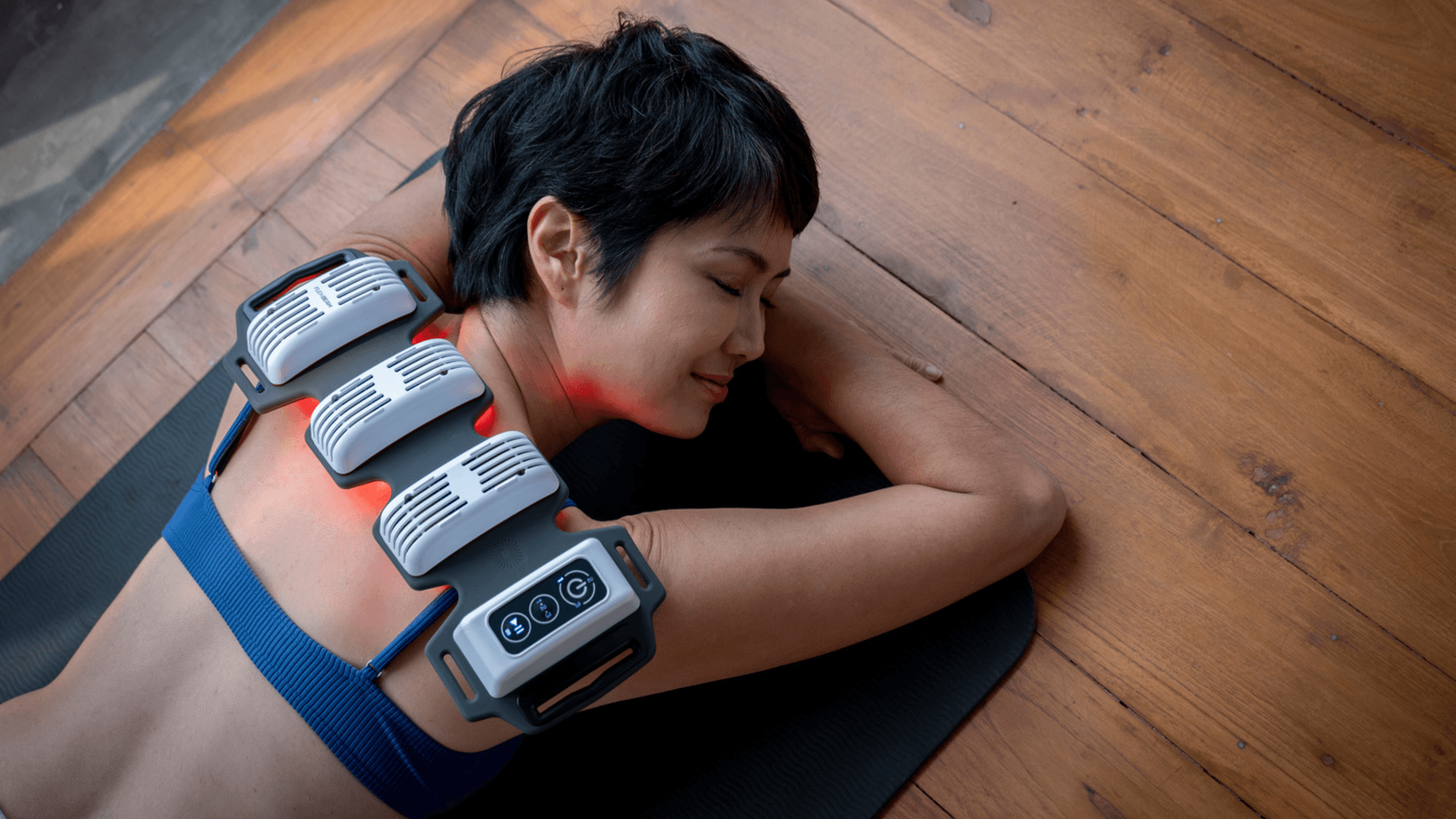
Red light therapy is one of those methods that’s been getting a lot of buzz lately. It’s used to stimulate the mitochondria (the powerhouse of your cells) which produce ATP, your body’s main energy molecule. By supporting these processes, red light therapy can be part of a big-picture strategy to rebuild your energy over time.
Read more about how red light therapy affects your energy levels here.
When to see a professional
Persistent fatigue isn't always something you should just brush off. Sometimes, your body is trying to tell you that there’s something deeper going on.
Symptoms that should be checked out
- Unexplained weight loss
- Sleep problems that just won't go away
- Signs of depression
- Heart palpitations
- Extreme exhaustion that doesn't get better with rest
Health-related causes
Things like hypothyroidism, iron deficiency, sleep apnea, or hormonal imbalances could be the culprit. If you’ve been feeling drained for a long time, it’s important to take it seriously.
FAQs about getting more energy
Low energy is usually a mix of not getting enough sleep, stress, sitting too much, or missing out on key nutrients.
Getting regular sleep, eating balanced meals, staying active, and cutting down on stress are the most effective ways to feel better.
Balanced blood sugar, good sleep, and getting enough oxygen through movement are the foundation for your energy.
Common culprits include low levels of iron, vitamin D, or B vitamins - or simply not getting enough sleep.
A quick burst of activity, cold exposure, and staying hydrated can give your energy levels a fast lift.
Building steady routines around sleep, diet, and movement is key - small changes over time are what really make the biggest difference.
Getting some fresh air, light movement, and cutting back on caffeine late in the day is often more effective than just crashing on the couch.