Is back pain slowing you down? Here’s how to start feeling like yourself again


Back pain is among the most common health complaints, and for the vast majority, it's completely harmless. Nevertheless, it can feel both debilitating and frustrating in everyday life. Whether it’s stiffness from prolonged sitting, muscle aches after a long workday, or more persistent long-term issues, the need for safe and effective relief is significant.
For some, the pain is acute and passes quickly. For others, back pain can impact sleep, mobility, and overall quality of life. Many people prioritize solutions that can be used at home, at their own pace, and preferably without medication. A combination of movement, light exercise, good self-care, and gentle, non-pharmaceutical solutions often provides noticeable relief.
In this article, you will get an overview of common causes of back pain, what actually works, and how red light therapy can be used as part of a holistic approach.
What is back pain, and why does it happen?
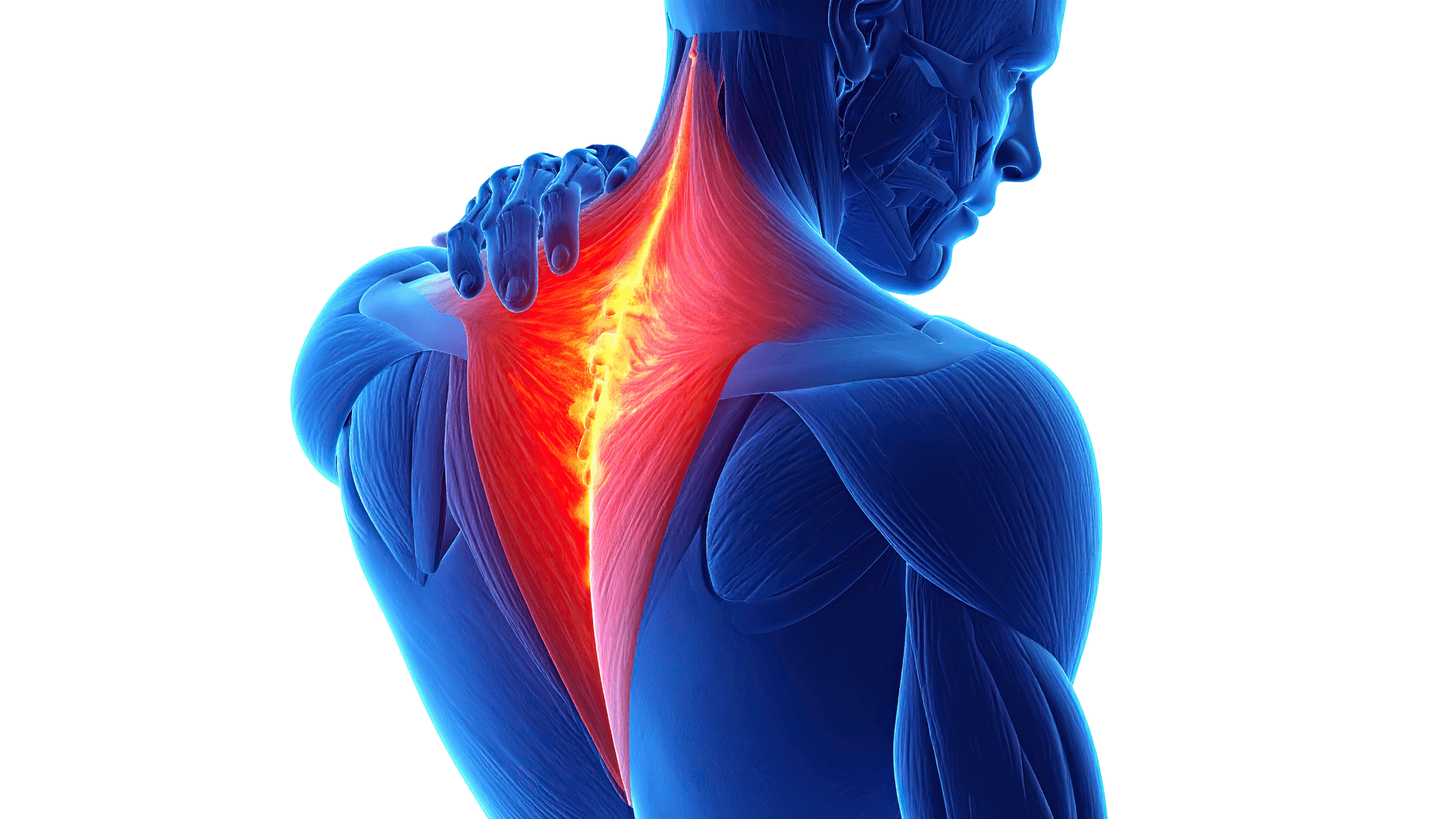
Back pain is a general term for discomfort that can occur anywhere from the lower back up to the thoracic spine and neck. It can come on suddenly (for example, after heavy lifting or an awkward movement) or develop gradually over time. The intensity varies from mild, diffuse aching to severe pain that limits daily activities. In most cases, this is caused by muscular tension or strain rather than serious illness.
Common causes of back pain:
- Tense or overworked muscles
- Lack of varied movement
- Repetitive strain or poor ergonomics
- Stress and internal tension
- Previous injuries
Different types of back pain:
- Acute: often lasts for days or weeks.
- Chronic: lasts over 3 months and may come and go.
Typical symptoms:
- Pain on the left or right side of the back
- Local tenderness and stiffness
- Muscle pain in the mid or lower back
- Pain that worsens with specific movements
How to relieve back pain naturally and effectively
Several gentle measures can help reduce back pain. Many people find the best results by combining multiple methods.
Daily activity and exercise
Complete rest is rarely the best solution. Calm, controlled movement can:
- Reduce stiffness
- Increase blood circulation
- Help muscles release tension
- Examples include short walks, light stretching, or frequent breaks from sitting.
Light strength and stability training
Simple strengthening exercises can help offload pressure from the back and prevent new injuries. A stronger core and support system make the back feel more resilient.
Physiotherapy, chiropractic, and other treatments
For acute or long-term issues, professional treatment can be invaluable for improving mobility and receiving individualized exercise advice.
Red light therapy
Red light therapy has become an increasingly popular supplement for back pain because it is gentle, non-invasive, and can be used at home. It works by:
- Stimulating the mitochondria in the cells
- Increasing local blood circulation
- Supporting the body's natural recovery and repair processes
This combination of benefits can contribute to reduced stiffness, better mobility and faster recovery for back pain.
Portable red light therapy with FlexBeam
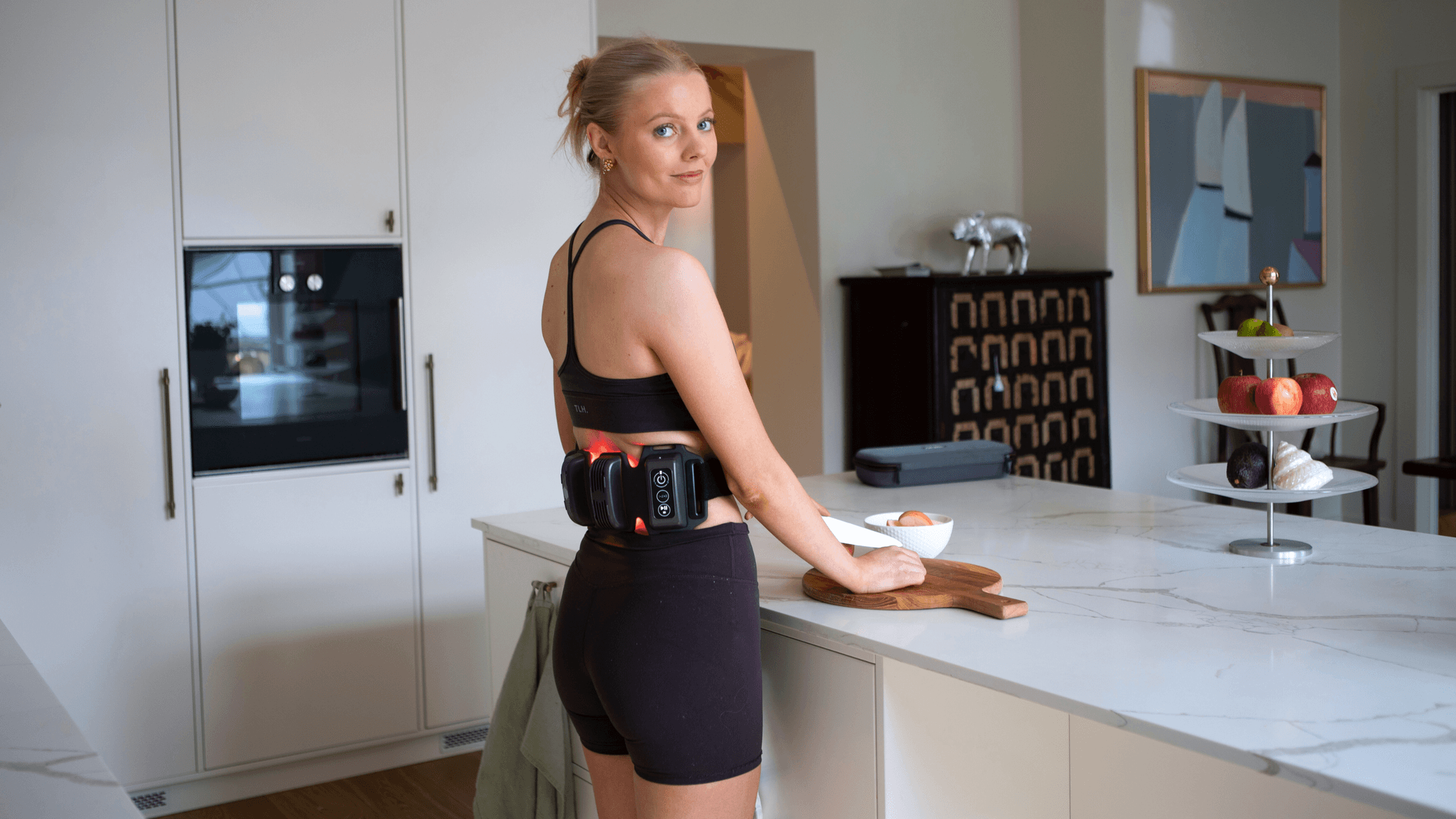
FlexBeam is designed to make red light therapy more accessible. Unlike general panels, FlexBeam provides targeted treatment directly to the area where it hurts.
Many use FlexBeam:
- After work to loosen back tension.
- In combination with movement and light exercise.
- As part of a regular self-care routine for recurring issues.
The portable and flexible design allows you to use red light therapy while resting, working, or moving calmly, without needing to set aside extra time.
Faster recovery after gardening
"The day after I got my FlexBeam, I had overstrained my back gardening. It was quite sore, but just one round with the lower back protocol took away all the pain. Before FlexBeam, it would have taken nearly a week to recover from that kind of strain." – Maja
Prevention: small steps with long-term effects
In addition to daily activity and treatment, simple everyday actions can reduce the risk of back pain
- Vary your working position.
- Regular movement and strength exercises.
- Stress reduction and adequate rest.
- Use FlexBeam proactively to keep muscles supple and energized.
By combining movement, targeted treatment, and preventive routines, you can reduce the frequency and severity of back pain over time.
What does research say about red light therapy?
Back pain is the most common issue driving medical visits and workplace absences globally. As more individuals seek health-conscious, non-pharmacological paths to recovery, Photobiomodulation therapy (PBMT) has emerged as a significant alternative. Using low-level laser or LED technology, red light therapy is gaining traction as an effective intervention for several physical ailments, particularly chronic lower back issues.
At a biological level, red light therapy functions by enhancing cellular energy output, reducing inflammation, and supporting tissue repair. By targeting the body's regenerative processes at the source, patients often experience a noticeable decrease in localized soreness, improved flexibility, and reduced stiffness.
Research shows documented effectiveness for, among other things, neck pain, lower back pain, osteoarthritis and fibromyalgia. Because the procedure is non-invasive and lacks significant side effects, it serves as an ideal companion to physical therapy, regular exercise, and standard rehabilitation protocols.
Read more about how red light therapy works and what the research shows.
Dr. Zulia Frost answers: How can you manage frequent back pain
Back pain is commonly linked to muscular imbalances, joint stiffness, or prolonged postural strain. Over time, increased tension and reduced mobility can place additional mechanical stress on the spine, contributing to ongoing discomfort. Supporting muscle relaxation, improving circulation, and restoring healthy movement patterns are key steps in reducing symptoms and improving function. Approaches such as targeted movement, recovery strategies, and red and near-infrared light therapy may help relax muscles, support local circulation, and assist in restoring overall back function.
When should you see a healthcare professional?
Contact a professional if:
- The pain is severe and persistent.
- You experience numbness, loss of strength, or radiating pain down the legs.
- The pain occurs after a fall or injury.
- You have a fever or feel generally unwell.
FlexBeam and red light therapy can be a useful supplement for relief and self-care, but do not replace medical evaluation for severe or unclear symptoms.
In short
Back pain is common and usually harmless. Effective relief involves small, daily steps: movement, self-care, and targeted red light therapy. Portable solutions like FlexBeam make it easier to take control of your pain safely at home.
Use FlexBeam to relieve back pain
Red light therapy is designed to kickstart your cells' energy production (ATP), boost local circulation, and help ease stiffness and discomfort. When used regularly, it’s a great way to support your daily movement, improve strength training, and those healthy everyday habits that keep you going.
FlexBeam is a portable solution that makes it easy to target the treatment exactly where you need it most. Whether that’s your lower back after a long workday, a stiff upper back, or sore muscles after a workout. Because the device sits right against your skin, you get the best light absorption, and the gentle warmth feels soothing. You can use it at home, in the office, or even while on-the-move, so you don't have to hit pause on your day.
By combining daily activity with targeted red light therapy, you can take a more active role in managing back pain and helping your body function better over time.
FAQ – common questions about back pain
Try to keep moving gently and avoid becoming completely inactive. It often helps to combine light movement with heat, some easy stretching, and simple self-care steps to support your recovery.
Pain medication can offer short-term relief, but many people prefer starting with drug-free alternatives like staying active, using heat, or trying red light therapy.
Yes. For most people, taking gentle walks is beneficial and can help ease stiffness and tension.
Muscular back pain is often characterized by local tenderness, stiffness, and pain that changes or shifts when you move.
Back pain is complex. Usually, a mix of staying active, adapting your daily movements, practicing good self-care, and having a bit of patience gives the best and most lasting results.