Running Recovery: How to Recover Faster After a Run


Running is one of the most effective forms of exercise available. At the same time, it places significant stress on your muscles, tendons, joints, and energy systems. Whether you're training for your first half marathon or logging dozens of miles each week, proper recovery is essential for improving performance, making progress, and reducing your risk of injury.
Most runners carefully plan their workouts, but far fewer have a strategy for what happens afterward. Yet recovery is when your body repairs microscopic damage, rebuilds stronger tissues, and adapts to the training you've completed.
In this article, we'll explore how much recovery you actually need after running, why recovery time varies depending on the distance you've covered, and what you can do to bounce back faster.
How Long Should You Recover After a Run?
The honest answer? It depends.
Recovery time is influenced by several factors, including the length and intensity of your run, your fitness level, age, sleep quality, and nutrition.
After an easy run, most people recover within 24 to 72 hours. Hard workouts, long runs, and races can require significantly more time.
According to Dr. Zulia Frost, physician and Clinical Director at Recharge Health, recovery isn't just about getting rid of sore muscles:
"When we run, our bodies are exposed to small amounts of stress and microscopic tissue damage that need to be repaired. Recovery is about giving your body the time and resources it needs to complete this process so you can come back stronger for your next workout."
That's why your legs aren't always the best indicator of recovery. Even if you feel ready to run again, your muscles, connective tissues, and cellular energy systems may still be rebuilding.
Easy Runs vs. Long Runs: What's Happening Inside Your Body?
A short, easy run places relatively little stress on your body and typically requires minimal recovery. Most runners can comfortably head out for another run the next day.
A long run is a different story.
When you run for an extended period, your muscle fibers gradually break down, your energy stores become depleted, and the stress on your tendons and joints increases. Your body then begins a complex repair process that can take several days.
Common signs that your body is still recovering from a long run include heavy legs, reduced spring in your stride, a higher-than-normal resting heart rate, and an overall feeling of fatigue. These are all signs that your body is still working to recover and needs more time.
Do your legs often feel sore after a workout? Read our article on how to relieve muscle soreness and overuse-related aches and pains.
Half Marathon Recovery: How to Care for Your Legs During the First 48 Hours
Completing a half marathon (13.1 miles) places significant stress on your body—even for experienced runners. Most people need 3–7 days to fully recover, depending on their training history, fitness level, and race intensity.
During the First 24 Hours
- Rehydrate well: Aim for 2–3 liters (about 68–101 oz) of fluids throughout the day. If you raced in hot conditions or sweated heavily, you may need even more.
- Refuel with protein and carbohydrates: Prioritize high-quality protein sources such as fish, chicken, eggs, dairy, legumes, or a protein shake. Pair them with carbohydrates like potatoes, rice, pasta, fruit, or whole-grain bread to replenish glycogen stores.
- Keep moving: Light movement can help maintain healthy circulation. A 15–30 minute walk or a few minutes of easy cycling is usually enough.
- Prioritize sleep: Aim for 7–9 hours of sleep, and don't hesitate to get a little extra during the first few nights after your race.
24–48 Hours After Your Race
- Take easy walks: A 20–60 minute walk at a comfortable pace can help reduce stiffness and keep you moving.
- Do gentle mobility work: Simple exercises for your hips, ankles, and lower back can help restore your normal range of motion.
- Stretch gently: Avoid aggressive stretching. If your muscles feel tight, gentle stretching may feel more comfortable.
- Choose active recovery: Easy cycling, swimming, or yoga are great ways to stay active before returning to your regular training routine.
Many runners notice that their legs feel surprisingly heavy during the first few days after a half marathon. This is completely normal and is largely due to microscopic muscle damage and your body's natural inflammatory response.
Marathon Recovery: A Step-by-Step Guide
A marathon is one of the most physically demanding endurance events most recreational runners will ever complete.
Full recovery after a marathon often takes 2–4 weeks before your body is ready to handle normal training loads again.
Here's a practical recovery timeline.
Days 1–3
- Prioritize sleep: Aim for 7–9 hours of sleep each night, with extra rest if possible.
- Stay hydrated: Drink 2–3 liters (68–101 oz) of fluids throughout the day, increasing your intake if conditions were hot or you lost a lot of sweat.
- Go for easy walks: Light walking helps keep your body moving without adding unnecessary stress.
- Skip hard workouts: Give your muscles, tendons, and joints time to begin the recovery process.
Days 4–7
- Ease back into activity: As soreness and stiffness begin to improve, gradually increase your daily activity.
- Try easy cycling or walking: A 20–60 minute session at a comfortable pace can support recovery without overloading your body.
- Continue mobility exercises: Gentle mobility work for your hips, ankles, calves, and back can help restore movement after the race.
Week 2
- Begin returning to running
- Start with 20–40 minute easy runs at a conversational pace. The goal isn't speed—it's simply to see how your body responds.
Weeks 3–4
- Gradually rebuild your training: Begin working back toward your normal routine, but avoid making large jumps in mileage or intensity.
- Listen to your body: Some runners feel ready after two weeks, while others need longer. Recovery is highly individual, so let your body—not the calendar—guide your return to training.
One of the most common mistakes runners make is returning to hard training too soon. Even if your legs feel better, your muscles, connective tissues, and cellular energy systems may still be rebuilding.
Want to learn more about recovery? Explore our complete guide to recovery and recovery strategies.
The Best Recovery Strategy: Recharge Health's Top 5 Tips
What's the best way to recover after running?
The truth is that no single method does everything. The best results come from combining several recovery strategies.
1. Prioritize Sleep
Sleep is your body's most powerful recovery tool. Much of the repair process takes place while you sleep.
2. Replenish Your Energy Stores
Eating carbohydrates and protein after exercise helps restore energy while supporting muscle repair.
3. Keep Moving
Light activity improves circulation and may help reduce feelings of stiffness.
4. Avoid Unnecessary Stress
Give your body adequate time before your next hard workout.
5. Use Targeted Recovery Tools
Technologies that support the body's natural recovery processes, such as targeted red light therapy, can be a valuable addition to an active lifestyle.
Did you know that red light therapy may not only support recovery but also improve athletic performance? Learn more about how near-infrared light may help enhance endurance.
FlexBeam: A Smarter Way to Recover Between Runs
For many runners, the challenge isn't training harder—it's recovering faster between workouts.
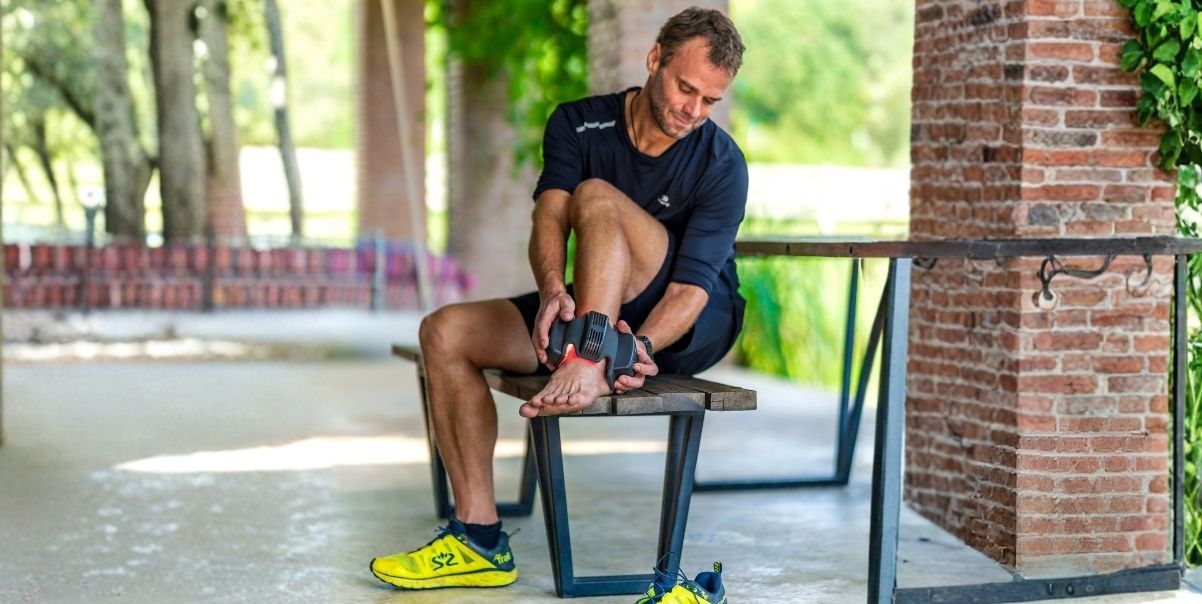
FlexBeam uses red and near-infrared light therapy in a portable, wearable format that can be applied directly to areas that commonly experience high running loads, including the knees, calves, hamstrings, hips, and Achilles tendons. Its portable design makes it easy to incorporate into your daily routine, whether you're relaxing at home, working, or recovering after a workout.
The goal of red light therapy is to support your body's natural recovery processes by delivering targeted light therapy to the areas that experience the greatest stress during running.
What are our customers saying? “After marathons and half marathons, many runners find that their bodies need a long time to recover. FlexBeam has helped support my recovery and made it easier to get back to training sooner. It's also fantastic whenever I feel minor aches or stiffness in my knees and legs after running." - Maria, marathon and ultramarathon runner
Learn more about targeted muscle recovery with FlexBeam.
Want to understand the science behind red light therapy? Read our guide to red light therapy and discover how the technology works.
For a complete recovery strategy, explore our Recovery Guide.
In Summary
Proper running recovery is about much more than avoiding sore muscles. It's about giving your body the best possible opportunity to repair itself, adapt to training, and continue improving over time.
The longer and harder you run, the more important sleep, nutrition, active recovery, and smart recovery habits become. After a half marathon, your body may need several days to recover. After a marathon, full recovery often takes several weeks before returning to heavy training is recommended.
By combining strong recovery fundamentals with targeted recovery tools, you can reduce your risk of overuse injuries and show up to your next run feeling stronger and more energized.
Ready to experience the difference? Learn how FlexBeam can become part of your running routine and help support faster recovery between workouts.
Frequently Asked Questions About Running Recovery
Most runners need 24–72 hours of recovery after a typical run, depending on the intensity and their training level. After a half marathon, 3–7 days of recovery is common, while a marathon often requires 2–4 weeks before the body is ready for normal training loads again.
Not necessarily. If your first session was an easy run and your body feels good, running on consecutive days can work well for many runners. However, after hard intervals, long runs, or races, it’s important to be more cautious and allow your body enough time to recover.
The best recovery strategy combines quality sleep, proper nutrition, hydration, light movement, and enough rest. For many athletes, targeted recovery tools can also be a useful addition to support the recovery process.