Red Light Therapy
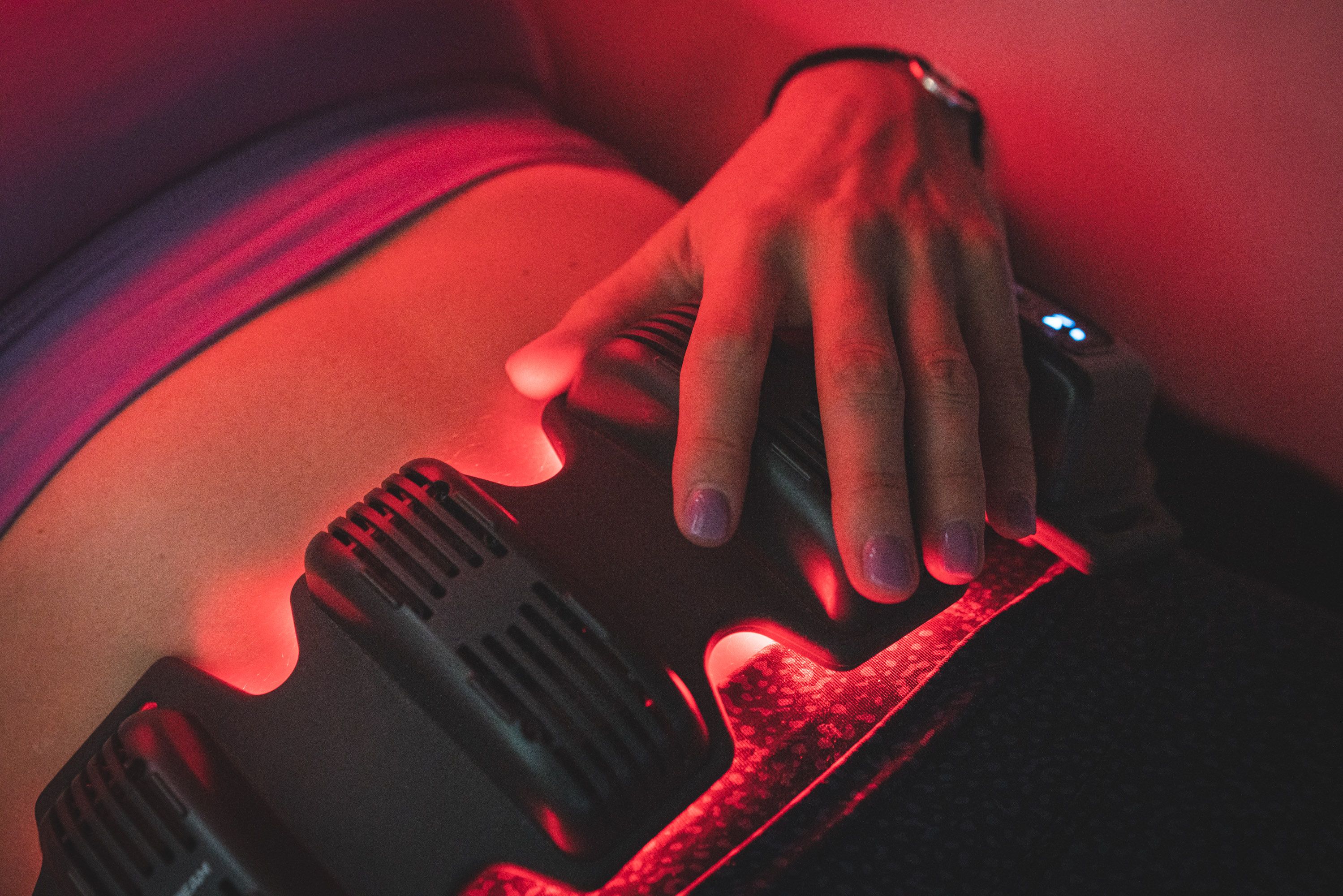
Red Light Therapy
Red Light Therapy
You may have heard of red light therapy but aren’t quite sure what it actually involves. In recent years, red light therapy has gained increasing attention in health, recovery, and skincare. At the same time, the concept can feel unfamiliar if you don’t know what’s actually happening inside the body.
In simple terms, red light therapy uses specific wavelengths of red and near-infrared light to influence biological processes in the body. The light penetrates into the tissue, where it can support cellular energy production - without surgery, medication, or other invasive procedures. That’s why it’s often described as a non-invasive way to support the body’s natural repair processes.
But how does it actually work at the cellular level? And what is red light therapy used for in practice?
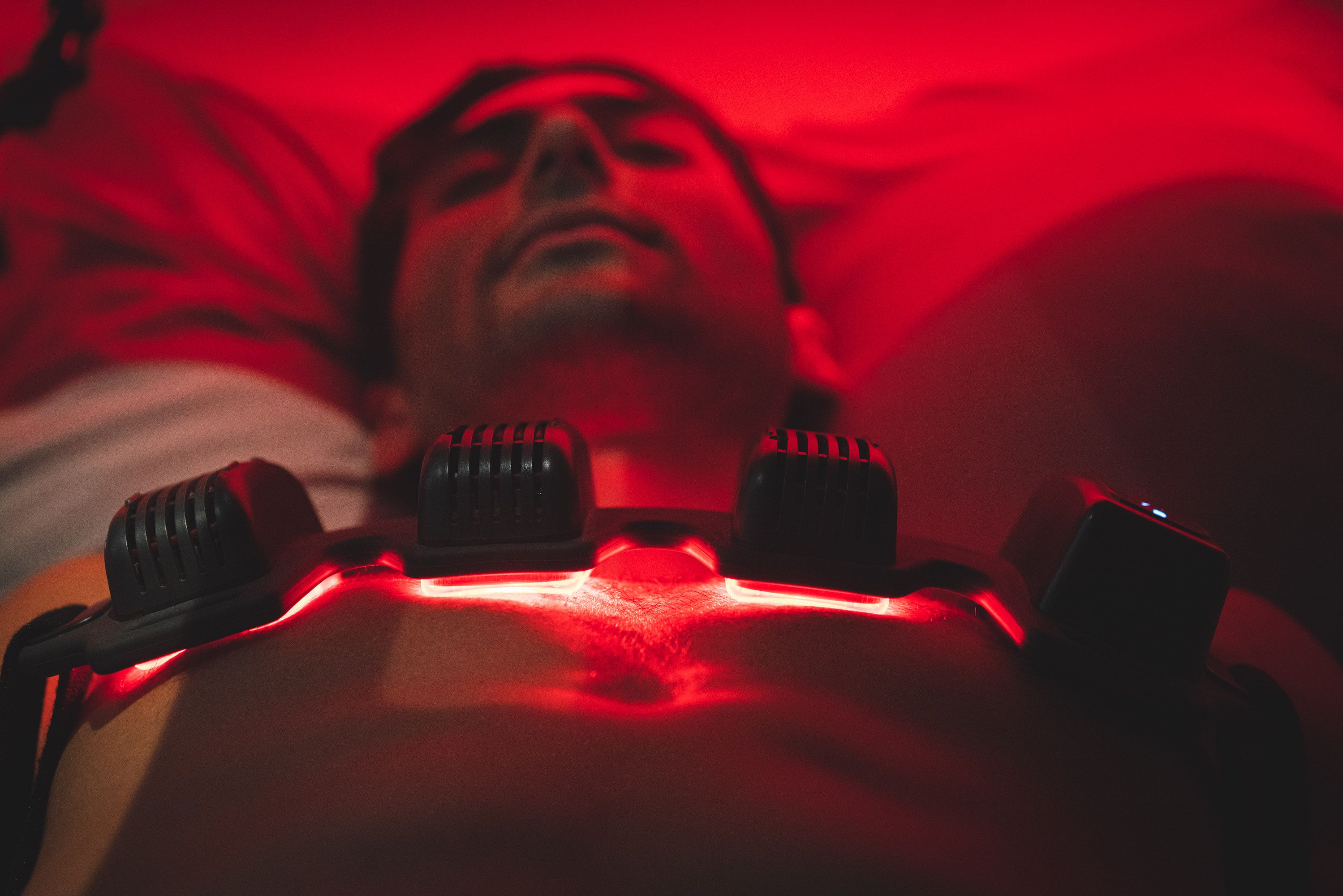
What is red light therapy?
Red light therapy, also known as photobiomodulation, uses specific wavelengths of light to influence cellular activity. It primarily uses:
- Visible red light
- Near-infrared light
These wavelengths are used because they can penetrate the skin and reach tissues beneath the surface.
It’s also important to understand what red light therapy is not:
- It is not UV radiation
- It is not a tanning bed
- It is not laser treatment that cuts or burns tissue
- It is not traditional heat therapy
Red light therapy is a non-invasive approach designed to support the body’s natural processes, rather than replace them.
Read more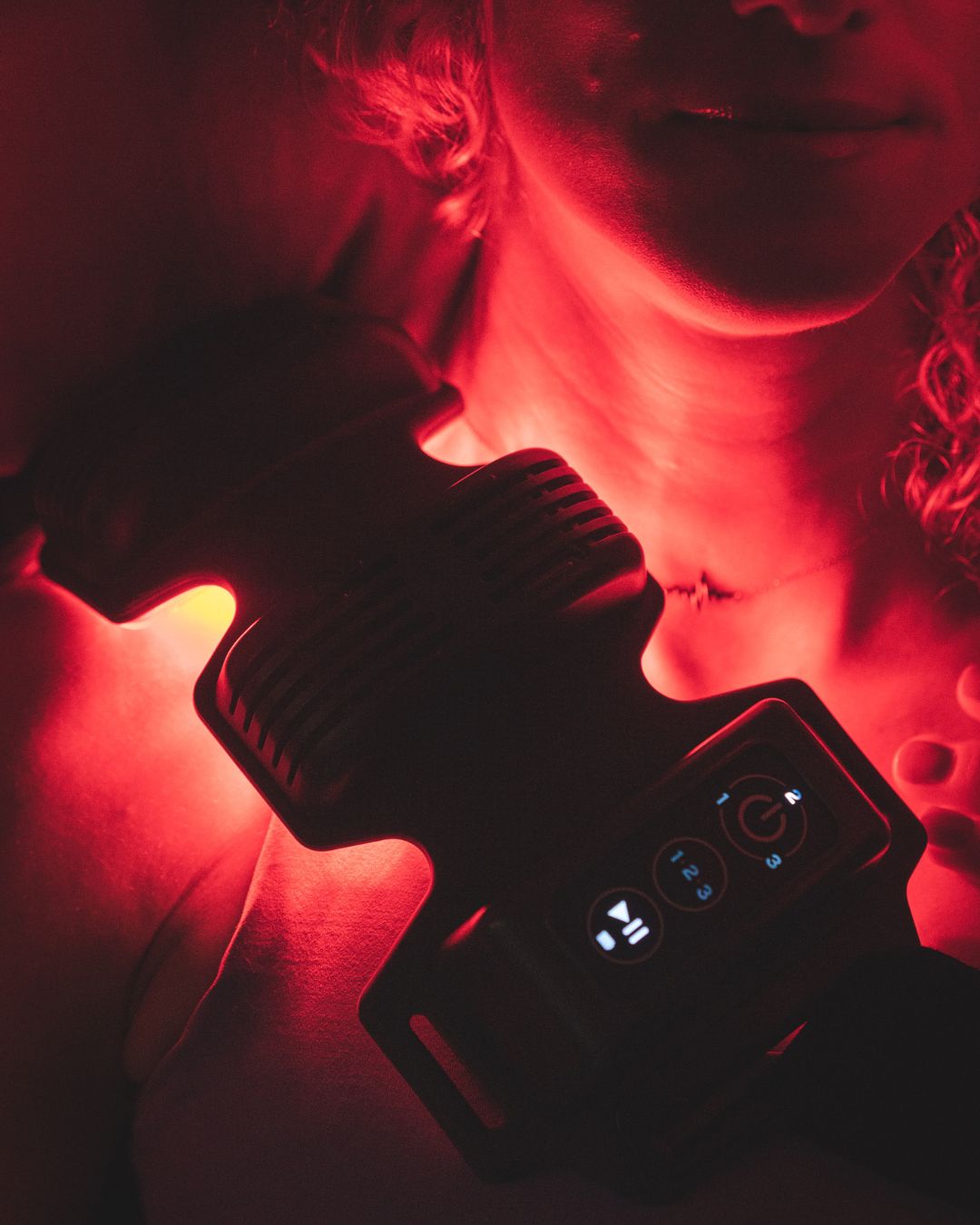
How does red light therapy work?
To understand how red light therapy works, we need to look at what happens at the cellular level. Inside almost every cell in the body are tiny structures called mitochondria. Often described as the powerhouses of our cells, mitochondria produce energy in the form of ATP (adenosine triphosphate).
ATP is essential for many processes in the body, including:
- Muscle movement
- Tissue repair
- Nerve function
- Recovery
- General cellular activity
When the body is under strain, injured, or experiencing stress, energy production can become less efficient. This is where red light therapy comes in. Red and near-infrared light are absorbed by the mitochondria, which may stimulate biochemical processes that increase the availability of ATP.
A simplified way to look at it is:
Light → affects the mitochondria → increases ATP production → supports the body’s natural functions
When cells have better access to energy, this may help support faster repair of muscles, tendons, and skin, reduce perceived pain and inflammation, and improve blood circulation and oxygen delivery to tissues.
This doesn’t mean that light alone “heals” the body. Rather, it may help create better conditions for cells to do what they’re already designed to do.
See the results of our study
What does red light therapy do, and how does it affect the body?
Red light therapy uses red and near-infrared light to support the body’s natural processes at the cellular level, which may provide a range of health benefits.
Key benefits of red light therapy include:
Support for muscle and joint pain
May help reduce perceived pain and support better muscle and joint function. Learn more about its effects on pain and muscle discomfort here.
Reduced stiffness and improved mobility
Often used to support mobility in areas affected by stiffness or physical strain.
Faster recovery after exercise
Studies suggest that red light therapy may help reduce muscle soreness and support recovery after physical activity.
Support for strain-related discomfort
Used in sports and rehabilitation as a complement for overuse and localized tissue-related concerns.
Overall well-being and circulation
Many people use red light therapy as part of a broader health and wellness routine. Learn more about optimizing your health with red light therapy here.
In sports and rehabilitation settings, red light therapy is often used alongside physiotherapy and exercise programs.
It’s important to note that results can vary from person to person. Red light therapy isn’t a one-size-fits-all solution, but it can be a useful tool as part of a holistic approach to health.
Read more
What is the difference between red and near-infrared light?
Both are used in red light therapy, but they have different properties.
Red light (600–650 nm) has a shorter wavelength and works closer to the surface. It is often used for the skin and tissues near the skin’s surface.
Near-infrared light (750–850 nm) has a longer wavelength and can penetrate deeper into the body, making it particularly relevant for muscles, tendons, and joints.
It’s important to understand that not everything described as “red light” reaches deeper tissues. Effective red light therapy for muscles and joints requires the right wavelengths and sufficient penetration. By combining red and near-infrared light, it’s possible to target both superficial and deeper tissues at the same time - an important factor for effective treatment and recovery.
Read more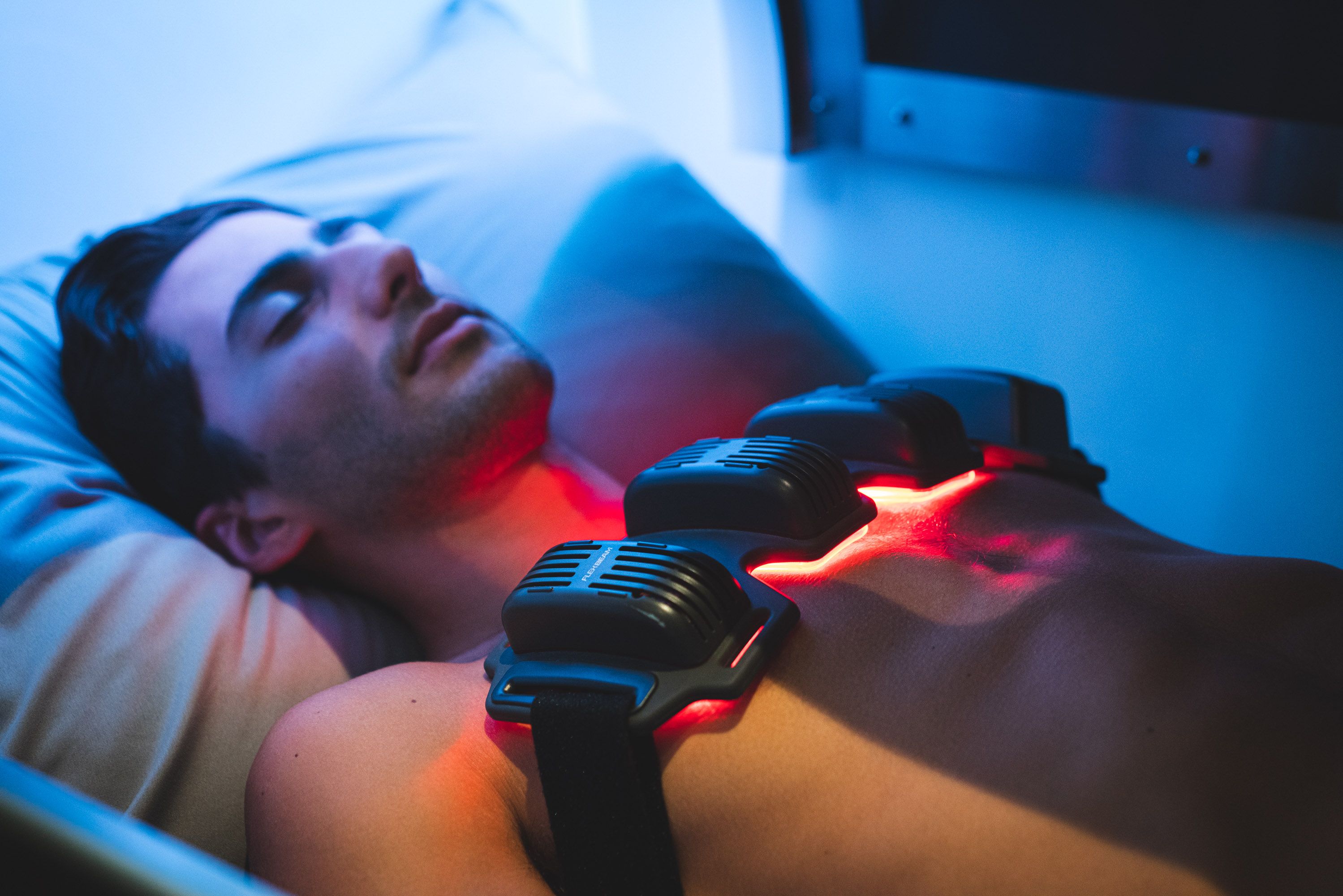
The Light Spectrum
Different wavelenghts interact with your body in different ways. Only some are relevant for recovery.
Vitamin D Production
280-315nm
Skin & Surface Tissue
620-670nm
Deeper Tissue & Cellular Energy
800-880nm
UVB
Supports vitamin D production, an essential process for overall wellness. Helps the body create vitamin D when exposed in the right range.
Red Light
Supports skin and surface tissue recovery. Often used to promote circulation, comfort, and healthy cellular activity near the skin.
NIR
Supports deeper tissue and cellular energy production. Reaches below the surface where muscles, joints, and recovery processes happen.

When should you use red light therapy?
Red light therapy can be particularly useful if you experience muscle or joint pain, stiffness, poor circulation, or want to support faster recovery after exercise. It may also help with general physical discomfort and support skin health.
For convenient use at home, you can place a wearable device directly on the area that needs the most attention, such as your calves, thighs, knees, or shoulders. Just a few minutes of red light therapy at home each day may help improve circulation, reduce inflammation, relieve pain, and support energy levels. At-home infrared light therapy makes it easy to build this into your daily routine as a simple yet effective habit.
Try FlexBeam today
The history of red light therapy
Although red light therapy has gained increasing attention in recent years, the technology is far from new. Research into how light affects biological processes has been ongoing for more than 100 years.
This comprehensive review on PubMed explores how the field has evolved from its earliest discoveries to today’s medical applications.
As early as 1903, Danish physician Niels Ryberg Finsen received the Nobel Prize in Physiology or Medicine for his work with light therapy. Later, in 1967, Hungarian researcher Endre Mester discovered that red laser light could stimulate biological processes related to tissue repair and hair growth. This is widely considered the beginning of what we now know as photobiomodulation.
Throughout the 1970s, ’80s, and ’90s, research into red and near-infrared light continued to grow, particularly in areas such as wound healing, pain, inflammation, and muscle recovery. In the 2000s, NASA also helped generate greater interest in the technology through research into how light could support health and recovery during space missions.
Today, red light therapy is used both in clinical settings and at home, and the technology has been studied in thousands of published papers across areas such as pain management, recovery, skin health, and overall well-being. Red light therapy has evolved from a niche area of light research into one of the more established forms of light-based health and recovery technology.
Frequently asked questions about red light therapy
Red light therapy is often used to support the body’s natural recovery and repair processes. Many people use it for:
- Muscle and joint pain
- Back and neck stiffness
- Recovery after exercise
- Strain-related discomfort
- Reduced mobility
- General fatigue and low energy levels
It works by stimulating the mitochondria within cells, which may help increase energy production (ATP) and support healthy cellular function.
No. Red light therapy uses specific wavelengths of red and near-infrared light to influence biological processes at the cellular level. The light is absorbed by cells and may support energy production, recovery, and the body’s natural repair processes.
Infrared saunas and other forms of infrared heat work primarily by warming the body. This can increase circulation, promote sweating, and encourage relaxation, but the mechanism is different from red light therapy.
In short: Red light therapy is about how specific wavelengths of light affect cells, while infrared heat is primarily about warming the body’s tissues.
Yes, red light therapy is commonly used for back pain.
Red and near-infrared light can penetrate into the tissue and influence cellular energy production, which may support the body’s natural repair processes and provide temporary pain relief.
It can be used for both acute muscle tension and more persistent strain-related discomfort, although results can vary from person to person.
Yes, red light therapy is also used for other types of pain, particularly:
- Knee and hip pain
- Neck pain
- Shoulder pain
- Tendon-related pain
- Muscle stiffness after exercise
This is because the light can influence cellular energy production and support the body’s natural repair processes in muscles, tendons, and joints.
Det er viktig å se det som et supplement, ikke en erstatning for medisinsk behandling ved alvorlige tilstander.
How quickly you notice results from red light therapy can vary.
Some people notice changes relatively quickly when using it for temporary muscle stiffness, while longer-term concerns often require consistent use over time.
Factors that can influence results include:
- What you’re using it for
- How long you’ve experienced the issue
- How often you use red light therapy
- Individual differences
Consistency is generally more important than individual sessions.
The amount of red light therapy needed depends on the intended use, wavelength, and intensity.
In general, red light therapy is used several times a week over a period of time to support the desired results. A dose that is too low may have little effect, while a higher dose doesn’t necessarily lead to better results.
It’s best to follow the manufacturer’s guidelines and start gradually, especially when using red light therapy at home.
There isn’t one wavelength that works best for every purpose.
Commonly used wavelengths include:
- Red light (approx. 630–670 nm) for areas closer to the skin’s surface
- Near-infrared light (approx. 800–850 nm) for deeper tissues such as muscles and joints
The optimal dose depends on the treatment area and your goals. For a more detailed explanation of wavelengths and dosing, read our guide to how red light therapy works.